
HEALTH
Image Stretcher: A Practical Guide to Stretching Images Without Losing Their Quality

An image can look completely different when its proportions change. A photograph that originally looks balanced can suddenly appear too wide, too narrow, too tall, or strangely compressed when it is placed into a different design. This is where an image stretcher becomes useful. An image stretcher is a simple image-editing tool or technique that allows you to change the dimensions of a picture by expanding its width, height, or both. While the basic idea sounds simple, getting a good result requires a little more understanding of image proportions, resolution, quality, and the way different editing tools process pixels.
People use image stretching for many reasons. A website designer may need a picture to fit a banner, a social media creator may need an image to match a particular layout, and a photographer may want to adjust the shape of a picture for a creative composition. Even casual users sometimes need to make an image wider so it fits a particular screen or document. The important thing is understanding the difference between stretching an image and simply resizing it. Resizing generally tries to preserve the original proportions, while stretching can intentionally change those proportions.
A good image stretcher gives users more control over this process. Instead of forcing an image into a fixed space and accepting unwanted cropping, users can modify the image dimensions directly. However, stretching too aggressively can make people, objects, buildings, and other details look distorted. The best results usually come from making small adjustments, choosing the correct interpolation method, and understanding the original image’s resolution.
This guide explains what an image stretcher does, why people use it, how it works, when stretching makes sense, and how to avoid the most common problems. Whether you are working with photographs, graphics, website images, product pictures, thumbnails, wallpapers, or creative artwork, understanding image stretching can help you produce cleaner and more professional results.
What Is an Image Stretcher?
An image stretcher is a tool designed to change the dimensions of an image by expanding or compressing its visual content. Unlike ordinary resizing, which normally maintains the original aspect ratio, stretching can change the width and height independently. This means an image can become wider without becoming proportionally taller, or taller without becoming wider.
The concept is straightforward, but the technology behind it can be surprisingly sophisticated. Digital images are made from pixels arranged in a grid. When you stretch an image, the software needs to calculate how those pixels should be redistributed across the new dimensions. Depending on the editing method, the program may duplicate pixels, blend nearby pixels, or estimate new pixels based on surrounding information.
A basic image stretcher may offer simple width and height controls. More advanced tools can provide additional settings for interpolation, sharpening, distortion, perspective, and selective stretching. These features make it possible to manipulate an image while keeping important areas relatively natural.
The usefulness of an image stretcher depends heavily on the type of image being edited. A simple background with a lot of empty space can often be stretched considerably without looking strange. A portrait, however, can become noticeably distorted if the entire image is expanded horizontally. Understanding the visual structure of the image is therefore just as important as understanding the tool.
Image Stretching and Image Resizing Are Different
Image stretching and image resizing are often treated as if they mean the same thing, but they are not exactly identical. Resizing usually means changing the overall dimensions while preserving the original proportions. If an image becomes smaller, its width and height are reduced together. The basic shape remains consistent.
Stretching is different because the width and height can be altered independently. Imagine a landscape photograph that looks balanced in its original form. If you make it significantly wider while keeping the height unchanged, the scenery may appear expanded horizontally. If you make it taller, the objects inside the picture may appear vertically elongated.
This distinction matters because users sometimes choose stretching when they actually need resizing. If you simply want a smaller version of an image, maintaining the aspect ratio is usually the better choice. Stretching is more appropriate when you specifically need to modify the shape of the image or fill a space with different proportions.
An image stretcher can therefore be useful, but it should not automatically be the first solution for every image-size problem. Before changing anything, consider whether you need a different file size, a different resolution, a different aspect ratio, or actual visual distortion. Identifying the real problem makes it much easier to choose the right editing approach.
Why People Use an Image Stretcher
One of the biggest reasons people use an image stretcher is to make an existing image fit a particular design. Digital platforms often use different layouts, and an image that looks perfect in one format may not fit another. A wide website banner, for example, may require a much broader image than the original photograph.
Stretching can also be useful when cropping would remove important content. Suppose a photograph contains a person standing near one edge and an important object near the other. Cropping the image to fit a wider design could remove one of those subjects. Carefully stretching the background may provide another solution, particularly when the background is simple.
Designers also use stretching as a creative technique. A distorted image can create an unusual visual effect, especially in posters, experimental artwork, advertisements, digital collages, and abstract compositions. Not every image needs to remain perfectly realistic. Sometimes deliberate distortion is part of the design.
Another common reason is convenience. Users may have an image that is almost the correct shape but slightly too narrow or short for a particular project. A small amount of stretching can solve the problem quickly without requiring a completely different image.
How an Image Stretcher Works
At a technical level, an image stretcher works by mapping the original pixels onto a new pixel grid. When the dimensions change, the original pixels no longer correspond exactly to the new positions. The software therefore has to determine what visual information should appear between existing pixels.
One simple method is called nearest-neighbor interpolation. It uses nearby pixels to fill the new positions. This approach is fast and can be useful for certain types of graphics, especially pixel art, but it can produce rough edges when used with ordinary photographs.
More sophisticated interpolation methods examine neighboring pixels and calculate smoother transitions. These techniques can produce better-looking results when photographs or detailed graphics are expanded. However, interpolation cannot create genuine photographic information that was never captured in the original image.
This is an important limitation. An image stretcher can redistribute and estimate visual information, but it cannot magically recover details that do not exist. If the source image is extremely small or blurry, stretching it to a very large size may make those weaknesses more noticeable.
Modern image tools may also use artificial intelligence to estimate additional visual details. AI-based enlargement and traditional stretching are related but different processes. Traditional stretching changes the geometry of the existing image, while AI enhancement may attempt to reconstruct or generate additional detail.
Understanding Aspect Ratio Before Stretching
Aspect ratio is one of the most important concepts to understand before using an image stretcher. It describes the relationship between the width and height of an image. A wide landscape picture has a different aspect ratio from a tall portrait photograph.
When the aspect ratio changes, the visual shape of the image changes as well. If the width increases while the height remains fixed, everything inside the image can appear wider. If the height increases independently, objects may appear taller.
This is why a small amount of stretching can sometimes be almost invisible while a larger adjustment can become obvious. The human eye is very good at recognizing familiar shapes. Faces, human bodies, cars, buildings, and everyday objects can immediately look unusual when their proportions change.
Before stretching, look at the composition and identify which areas are sensitive to distortion. A plain sky, wall, road, or textured background may tolerate stretching better than a person’s face. Thinking about these areas beforehand can help you decide whether full-image stretching is appropriate.
Stretching Backgrounds More Naturally
Backgrounds are often among the easiest parts of an image to stretch. This is particularly true when the background contains repetitive textures or large areas without clearly defined objects. Examples include skies, walls, water, sand, grass, clouds, and simple gradients.
If the main subject occupies only a small part of the picture, you may be able to stretch the surrounding background without significantly changing the subject’s appearance. This approach can produce a much more natural result than stretching the entire image uniformly.
Some advanced editing programs allow selective transformation. Instead of changing every part of the picture equally, you can protect important areas and modify less important regions. This technique is especially useful for photographs intended for banners, headers, advertisements, and promotional graphics.
Content-aware stretching is another related technique. Rather than simply pulling every pixel outward, the software attempts to identify important visual areas and preserve them while expanding less important parts. Results vary depending on the image, but this method can be extremely helpful for certain compositions.
When Stretching a Photograph Works Well
Photographs with simple compositions can often handle moderate stretching better than photographs filled with detailed subjects. A landscape with a large amount of sky and ground may provide more flexibility than a crowded street scene filled with people, signs, cars, and buildings.
Images with symmetrical or repetitive textures can also respond well. If the eye does not have many fixed shapes to compare, small changes in proportion may be difficult to notice. This makes certain backgrounds especially suitable for stretching.
Another good situation is when the required adjustment is relatively small. If an image is only slightly narrower than the desired format, a subtle stretch may be enough to fill the space. Small changes are generally less noticeable than extreme transformations.
It is also helpful when the most important subject is near the center and does not contain many recognizable geometric details. Even then, you should inspect the result carefully because distortion can appear differently depending on the subject.
When Stretching Can Cause Problems
Stretching becomes problematic when an image contains recognizable objects whose proportions matter. Faces are one of the clearest examples. If a portrait is stretched horizontally, the face may look unusually broad. If it is stretched vertically, the person can appear unnaturally tall.
Architecture can also reveal distortion quickly. Buildings contain straight lines, windows, doors, columns, and other geometric elements. Changing their proportions can make the entire structure look warped.
Text is another sensitive element. Logos, labels, signs, and typography can become visibly distorted when stretched. If text is part of an image, it is usually better to preserve its proportions whenever possible.
Product photographs require similar care. A bottle, phone, shoe, watch, or piece of furniture can look misleading if its proportions are changed. For commercial images, accurate representation is particularly important.
Image Quality and Resolution
Image quality plays a major role in the success of stretching. A high-resolution source generally provides more information for the software to work with. A low-resolution image contains fewer pixels, so significant stretching may expose pixelation and softness.
Resolution is often misunderstood. A higher pixel count does not automatically guarantee a beautiful image, but having sufficient source detail gives editing software more flexibility. When you stretch a small image aggressively, each original pixel has to cover a larger visual area.
This can produce blurry edges, visible pixel patterns, or loss of fine details. Sharpening can sometimes improve the final appearance, but excessive sharpening may create halos and unnatural edges.
The best approach is to start with the highest-quality original available. If you have access to the original photograph rather than a compressed copy downloaded from a website or messaging platform, use the original whenever possible.
The Importance of Interpolation
Interpolation is the process used by image-editing software to estimate pixel information when an image is transformed. Different interpolation methods produce different visual results.
Some methods prioritize speed and simplicity, while others are designed to create smoother photographic results. The best choice depends on the image and the amount of transformation being performed.
For photographs, smoother interpolation generally produces more natural transitions. For pixel art, however, smoothing can destroy the intentional hard edges. In that situation, a method that preserves individual pixels may be preferable.
There is no universal interpolation method that is perfect for every image. Professional editing often involves testing different approaches and comparing the results at the final display size.
Stretching for Website Design
Website design is one area where an image stretcher can be particularly useful. Websites often require images to fit headers, hero sections, cards, backgrounds, and responsive layouts.
A photograph may have been captured in a traditional landscape format, while a website section may require something much wider. Cropping may remove important parts of the composition, while stretching can sometimes provide a quick alternative.
However, website designers should consider responsive behavior. An image that looks good on a desktop screen may appear differently on a phone. If the image is already stretched significantly, additional browser scaling can make the distortion more obvious.
Using flexible layouts, background positioning, object-fit settings, or appropriately prepared image variations may provide a better long-term solution than relying entirely on stretching.
Stretching Images for Social Media
Social media platforms use a wide variety of image formats. Posts, stories, profile images, banners, advertisements, and thumbnails can all have different proportions.
Creators often need to adapt existing photographs for these formats. An image stretcher can help when the original picture does not naturally fit the required layout.
Still, social media images are usually viewed quickly, so visual quality matters. A heavily distorted face or product can make a post look amateurish. In many situations, a combination of stretching, cropping, background expansion, and repositioning produces better results than simply stretching the whole image.
A practical workflow is to decide which part of the image must remain unchanged and which part has room for modification. Once that distinction is clear, you can manipulate the flexible areas while protecting the important subject.
Using an Image Stretcher for Banners
Banners often have unusually wide dimensions, making them a common use case for image stretching. A standard photograph may not contain enough horizontal space to fill a banner without cropping.
Stretching can provide additional width, particularly when the image has a large background area. However, the main subject should usually remain visually natural.
For example, if a person is positioned on one side of a photograph, expanding the background on the opposite side may be better than stretching the entire person. This can create room for a headline, logo, or promotional message while keeping the subject intact.
Designers should also consider where text will appear. If a banner contains a title or call to action, leaving sufficient visual space around the text makes the final design easier to read.
Image Stretching for Wallpapers
Wallpapers are another practical application. Modern screens can have very different proportions, and an image may not naturally fill every display.
A background photograph can sometimes be stretched slightly to fill the screen, especially when the image contains flexible scenery. Mountains, clouds, oceans, forests, and abstract patterns can tolerate some adjustment.
However, important subjects should be protected. If a person or building appears in the image, excessive stretching can make it look strange.
Another option is to combine stretching with intelligent cropping. Instead of forcing the entire image to fit perfectly, you can extend the background and then crop the final composition to match the screen.
Image Stretcher for Graphic Design
Graphic designers often need flexibility when working with images. A picture may need to fit inside a poster, presentation, advertisement, brochure, or digital composition.
An image stretcher can be useful during early design experiments. It allows the designer to quickly test different proportions before committing to a final layout.
However, professional design requires visual consistency. If an image looks distorted, viewers may not know exactly why the design feels wrong, but they can still notice that something is unusual.
For this reason, experienced designers generally stretch images selectively and sparingly. They understand that technical convenience should not come at the expense of visual credibility.
Stretching Versus Cropping
Cropping and stretching solve different problems. Cropping removes part of an image, while stretching changes the dimensions of the visible content.
Cropping is often preferable when the image contains enough visual information to support the new composition. It can make a photograph stronger by removing unnecessary areas.
Stretching becomes more attractive when cropping would remove something important. For example, if both sides of an image contain essential subjects, cropping either side may damage the composition.
In many cases, the best solution is a combination of techniques. A designer might stretch a simple background area, crop a small amount, reposition the main subject, and then refine the final composition.
How to Avoid Distortion
The easiest way to avoid distortion is to avoid unnecessary stretching. Before editing, decide whether the image genuinely needs independent width and height changes.
If only a small adjustment is required, keep the change subtle. Compare the edited version with the original and look specifically at faces, circles, straight lines, text, and recognizable objects.
Circles are especially useful for detecting distortion. A perfect circular object should remain circular unless distortion is intentional. If a circle suddenly becomes an oval, the image has clearly changed proportions.
You should also zoom out and view the image at its intended display size. Sometimes a change that looks obvious while zoomed in is barely noticeable in the final design. Other times, subtle distortion becomes more noticeable when viewed normally.
Preserving Important Subjects
Selective stretching is often the best approach for images containing people or important objects. Instead of treating the entire image as one flat surface, identify the areas that must retain their original proportions.
Many advanced editing programs provide tools for protecting selected regions. These tools can allow the background to expand while keeping the main subject relatively unchanged.
This technique requires more effort than basic stretching, but the results can be significantly better. It is particularly valuable for portraits, advertisements, product photography, and promotional artwork.
The general principle is simple: stretch what can tolerate distortion and protect what cannot. This approach turns image stretching from a blunt transformation into a more controlled design technique.
Image Stretcher Tools for Beginners
Beginners do not necessarily need professional software to stretch an image. Many simple online editors and basic image applications include width and height controls.
These tools are useful because they reduce the learning curve. Users can upload an image, change its dimensions, preview the result, and save the edited file.
The important thing is to understand what the controls actually do. Some editors automatically preserve aspect ratio, while others allow independent width and height adjustments. If the goal is true stretching, you need a tool that gives you control over both dimensions.
Always preview the result before saving. A quick visual inspection can reveal problems that may not be obvious from the dimension settings alone.
Advanced Image Stretching Techniques
More experienced editors can use techniques such as content-aware scaling, perspective transformation, mesh deformation, and selective warping. These methods provide much more control than basic stretching.
Content-aware scaling attempts to preserve important subjects while modifying less important areas. Mesh-based transformations allow different parts of an image to move independently. Perspective tools can change the apparent viewpoint or geometry of an image.
These techniques take practice, but they can dramatically improve the quality of complex image transformations.
The key is not to use advanced tools simply because they exist. Each technique should serve a visual purpose. If a simple transformation produces the desired result, there is no reason to make the workflow unnecessarily complicated.
AI and Modern Image Stretching
Artificial intelligence has changed the way people think about image enlargement and transformation. Modern AI tools can analyze visual patterns and make predictions about missing or expanded areas.
This is different from traditional stretching. A conventional image stretcher primarily rearranges or interpolates existing pixel information. AI systems may generate additional visual details based on learned patterns.
For example, an AI-assisted system might attempt to reconstruct texture, improve edges, or extend a background beyond its original boundaries. The results can be impressive, but they are not always accurate.
AI-generated extensions can occasionally create details that were never present in the original scene. For creative work, this may be acceptable or even desirable. For documentary, scientific, legal, or commercial applications, however, generated details should be treated carefully.
Image Stretching for E-Commerce
Online stores frequently need product images to fit consistent layouts. A product photograph may be technically correct but have dimensions that do not match the store’s template.
Stretching can sometimes help with backgrounds, but the product itself should normally remain proportional. A distorted product photograph can mislead customers and make a store look less trustworthy.
A better workflow is often to preserve the product while adjusting the surrounding background. White, gray, gradient, or transparent backgrounds can provide flexibility without altering the actual product.
Consistency is particularly important for catalogs. Every image should feel like part of the same visual system, with similar positioning, proportions, and spacing.
Image Stretching for Presentations
Presentations often use images inside predefined layouts. A picture may need to fill a wide slide area or fit into a narrow column.
Stretching can work for decorative backgrounds, abstract images, and simple textures. It can be less suitable for portraits, charts, diagrams, and technical illustrations.
If the image contains text or data, preserving proportions is usually essential. Distorted charts can become misleading, while stretched labels may become difficult to read.
For presentation design, the safest approach is to separate decorative images from informational images. Decorative elements can tolerate more creative manipulation, while informational elements should remain accurate.
Image Stretching and File Formats
The file format can affect the final quality of an edited image. Common formats handle compression differently, so saving an image repeatedly can sometimes reduce quality.
Lossy compression formats can discard visual information to reduce file size. If you repeatedly open, stretch, save, and reopen such a file, the accumulated compression can become visible.
For editing workflows, it is generally better to keep a high-quality working copy and export a final version only after the editing process is complete.
Transparency can also matter. Images with transparent backgrounds may require a format that supports alpha information. If transparency is lost during export, the result may not behave as expected in a design.
Why Low-Quality Images Look Worse After Stretching
A small image contains limited visual information. When you stretch it, the software has to distribute that limited information over a larger area.
The result may appear soft because the program cannot invent genuine detail through ordinary interpolation. Edges become less defined, textures lose clarity, and small features can disappear.
This is why the original source matters so much. Whenever possible, obtain the largest clean version of the image before beginning the editing process.
If only a small image is available, consider whether a different technique would be more appropriate. AI enhancement, vector recreation, background replacement, or using a different source image may produce a better result.
How to Check a Stretched Image
After using an image stretcher, do not immediately assume the image is finished. Inspect it carefully at different viewing sizes.
Start by looking at the entire composition. Does the image still feel balanced? Does the subject appear natural? Is anything strangely wide or tall?
Then inspect recognizable details. Look at faces, hands, circular objects, buildings, signs, text, and straight lines. These areas often reveal distortion quickly.
Finally, check the image at the size where it will actually be used. A design that looks excellent at a large editing zoom may behave differently when displayed as a small website image or social media graphic.
Common Mistakes Beginners Make
One common mistake is stretching an image too aggressively. Users sometimes focus entirely on reaching a particular width or height and forget to check how the visual content changes.
Another mistake is ignoring the original resolution. Increasing dimensions does not automatically increase detail. A low-quality source remains limited even after it becomes larger.
Some users also confuse stretching with cropping. They may distort an image when simply removing a small unnecessary area would have solved the problem.
Another frequent mistake is saving over the original file. Always keep an untouched copy when possible. That way, you can return to the original if the edited version does not work.
Choosing the Right Image Stretcher
The best image stretcher depends on what you are trying to accomplish. For simple dimension changes, a basic editor may be enough. For selective background expansion, more advanced software may be preferable.
Consider how much control you need. If you only need to make an image slightly wider, complicated features may not provide much benefit. If you need to protect a person while expanding a background, selective transformation becomes much more valuable.
Ease of use also matters. A technically powerful tool is not necessarily the best option if it makes a simple task unnecessarily difficult.
The ideal tool is one that gives you enough control to achieve the desired result without introducing unnecessary complexity.
Image Stretching on Mobile Devices
Mobile editing applications have made image manipulation accessible to almost everyone. Many phone-based editors allow users to change dimensions, crop images, adjust perspective, and apply transformations.
This is convenient when you need to edit an image quickly while away from a computer. Mobile tools are especially useful for social media content and casual design work.
However, smaller screens can make detailed distortion correction more difficult. If an image contains important faces, text, or fine details, a larger screen may provide better control.
For quick adjustments, mobile editing can be perfectly adequate. For professional retouching, desktop software may offer more precision.
Image Stretching for Creative Projects
Not every stretch needs to look realistic. Creative artists sometimes use distortion intentionally to create surreal or abstract effects.
A stretched face, elongated building, or unusually wide landscape can become part of the artistic concept. In these situations, distortion is not a problem because it is the purpose of the edit.
The important distinction is intention. If the audience expects a realistic photograph, distortion may look like an editing mistake. If the project is clearly artistic, unusual proportions can communicate emotion, movement, humor, or experimentation.
Creative image manipulation therefore depends heavily on context. The same transformation can be either a mistake or a successful artistic choice depending on how it is presented.
Image Stretcher for Digital Marketing
Marketing teams often adapt the same visual content across many formats. A campaign may require website banners, social graphics, advertisements, email graphics, and promotional materials.
An image stretcher can help adapt existing visual assets when new photography is not available. However, marketers should protect brand elements such as logos, product packaging, and recognizable people.
A distorted logo can make a brand appear unprofessional. A stretched product can create inaccurate expectations. A warped person can distract viewers from the campaign message.
Strategic editing is therefore more important than simply making an image fit a space. The image should support the marketing message rather than merely satisfy a dimension requirement.
Maintaining Natural-Looking Faces
Faces deserve special attention when stretching photographs. Humans are extremely sensitive to facial proportions, so even relatively small distortions can be noticeable.
If a portrait needs to become wider, consider expanding the background instead of the person’s face. You can also reposition the subject and create additional space around them.
If full-image stretching is unavoidable, keep the adjustment modest and inspect facial features carefully. Eyes, noses, mouths, and jawlines can all reveal unnatural changes.
For professional portraits, preserving the person’s actual proportions should almost always take priority over forcing the image into a specific shape.
Stretching Images With Text
Images containing text require special care because letters have recognizable shapes. Horizontal stretching can make text appear too wide, while vertical stretching can make letters unusually tall.
This is particularly problematic for logos and advertisements. Text should generally be created separately from the image whenever possible.
For a banner design, it is often better to stretch or extend the photographic background first and then place the text as a separate design layer. This keeps the typography crisp and proportional.
Separating image content from text also makes future editing easier. You can change the headline, move the logo, or adjust the layout without repeatedly transforming the underlying photograph.
Image Stretching and Accessibility
Accessibility is not always the first thing people think about when editing images, but it matters for digital content. Distorted images can make text harder to read and can interfere with visual communication.
If an image contains important information, preserve its proportions and clarity. Avoid stretching charts, diagrams, screenshots, and instructional graphics unnecessarily.
For decorative images, there is more flexibility. However, the image should still remain clear enough to support the overall design.
Good visual accessibility is about making information easy to understand. Image manipulation should never make essential content harder to interpret.
Professional Workflow for Image Stretching
A professional workflow usually begins with the original image. The editor first identifies the required final format and determines how much adjustment is necessary.
Next, the editor evaluates the composition. Important subjects are identified, and areas that can tolerate modification are considered separately.
The transformation is then performed carefully, followed by a visual inspection. If distortion appears, the editor may undo the change and try selective stretching or another technique.
The final image is then exported in an appropriate format and quality setting. Keeping an editable working version is useful because future projects may require different dimensions.
Why Small Adjustments Often Look Better
Subtle stretching can be surprisingly effective. A minor change may be enough to fit a design without creating obvious distortion.
Large transformations are more likely to reveal problems because every object in the image changes shape. The more recognizable the object, the more noticeable the distortion becomes.
This is why experienced designers often prefer the smallest transformation that solves the actual problem.
Instead of asking how much an image can be stretched, it is often better to ask how little stretching is needed. That change in mindset can lead to much more natural results.
Improving Results After Stretching
After stretching an image, some basic adjustments may help. Sharpening can restore a little perceived clarity, while contrast adjustments can make the image feel more defined.
Noise reduction may help if the transformation reveals unwanted artifacts. However, these adjustments should be subtle. Heavy processing can create a synthetic appearance.
Sometimes the best improvement is simply reducing the amount of stretching. If a particular result looks unnatural, do not immediately try to repair it with filters. Return to the transformation itself and reconsider the approach.
Editing quality often comes from making fewer changes rather than adding more effects.
Image Stretcher Versus Generative Expansion
Traditional stretching changes the existing image. Generative expansion, by contrast, can create new visual content beyond the original boundaries.
These methods can complement each other, but they solve different problems. Stretching is useful when you want to modify existing proportions. Generative expansion is useful when you want additional scene content.
For example, if a photograph needs more space on the left for text, stretching might distort the scene. Generative expansion could instead create additional background area.
The choice depends on whether you want the original pixels redistributed or new content created. Understanding that difference helps users choose the appropriate workflow.
How to Use Stretching Responsibly
Image manipulation is powerful, so it is worth considering whether changing proportions could mislead viewers. In creative design, obvious distortion is usually harmless. In commercial or informational contexts, however, changing the appearance of a person or product can create problems.
Product images should accurately represent products. Informational graphics should preserve accurate shapes. Photographs presented as factual records should not be altered in ways that change their meaning.
The more important the image is as evidence or information, the more carefully it should be edited.
Responsible editing does not mean avoiding image manipulation altogether. It means understanding when visual accuracy matters and making appropriate choices.
Benefits of Learning Image Stretching
Learning how image stretching works gives you more control over your digital content. You become less dependent on finding a perfect image for every layout.
It also helps you understand the relationship between dimensions, composition, resolution, and visual quality. These skills are useful far beyond stretching.
Once you understand how images behave when their proportions change, other editing tasks become easier. Cropping, resizing, perspective correction, background extension, and layout design all involve similar visual principles.
The real advantage is flexibility. Instead of treating image dimensions as fixed limitations, you can think creatively about how to adapt visual content while protecting the elements that matter.
Practical Tips for Better Results
Start with the highest-quality source you have. Decide whether you actually need stretching or whether cropping, resizing, or background extension would be better.
Protect faces, text, logos, products, and geometric objects whenever possible. Use selective techniques when the image contains sensitive subjects.
Make small changes first. Preview the result at normal viewing size rather than judging everything at extreme zoom.
Keep the original file untouched. Save a separate edited version so you can experiment without losing your source.
Finally, remember that a technically correct dimension does not automatically mean a visually successful image. The final result should look natural, intentional, and appropriate for its purpose.
Conclusion
An image stretcher can be a practical solution when a picture needs to fit a different layout, banner, website section, social media design, or creative project. While stretching an image sounds simple, achieving a professional result requires attention to proportions, resolution, composition, and image quality. A small adjustment can often make an image fit perfectly, while excessive stretching may create noticeable distortion.
The best approach is to understand the image before changing it. Protect important elements such as faces, logos, text, products, and geometric objects whenever possible. If the background has flexible areas, selective stretching or background expansion can produce a much more natural result than changing the entire image equally.
Modern image-editing tools also provide more options than basic stretching. Content-aware techniques, selective transformations, and AI-powered image expansion can help when traditional stretching is not enough. By choosing the right method for each situation, you can adapt images to different dimensions while maintaining a clean and professional appearance.
Ultimately, an image stretcher is most useful when it is used thoughtfully. The goal should not simply be to reach a particular width or height, but to create an image that looks balanced, clear, and suitable for its intended purpose.
Frequently Asked Questions About Image Stretching
Can an image stretcher make a picture wider?
Yes, an image stretcher can make a picture wider by changing its horizontal dimensions independently from its vertical dimensions. The exact result depends on the editing method and the amount of stretching applied.
Small adjustments can often look natural, particularly when the image contains flexible background areas. Large adjustments may cause visible distortion, especially around people, products, buildings, and text.
Does stretching an image reduce quality?
Stretching can reduce perceived quality, particularly when a small image is expanded significantly. The software has to estimate or redistribute pixel information, which can make details look softer.
Starting with a high-resolution original generally produces better results. Using a suitable interpolation method can also help maintain smoother edges and textures.
Is stretching better than cropping?
Neither technique is automatically better. Cropping removes part of the image, while stretching changes the proportions of what remains.
If the image contains unnecessary space, cropping may be the cleaner solution. If cropping would remove important subjects, carefully controlled stretching or background extension may be more appropriate.
Can I stretch a photo without distorting a person?
Yes, in many cases you can protect the person while modifying the surrounding background. Advanced editing tools can selectively stretch or expand less important areas while preserving the subject.
This approach usually produces more natural results than stretching the entire photograph equally.
Can an image stretcher be used for website banners?
Yes. Website banners are a common use case for image stretching and related techniques. However, the amount of stretching should be controlled carefully.
For important subjects, consider extending the background or using a responsive image layout rather than distorting the entire photograph.
What happens when a very small image is stretched?
A very small image may become blurry, pixelated, or soft when enlarged significantly. Stretching does not automatically create genuine missing detail.
AI-based enhancement or generative expansion may provide better results in situations where substantial enlargement is required.
Can stretching be used creatively?
Absolutely. Stretching can create surreal, humorous, abstract, or experimental effects. When distortion is intentional, unusual proportions can become an important part of the visual style.
Creative projects often have more freedom than informational or commercial images because visual accuracy is not always the primary goal.
Should text be stretched with an image?
Usually, it is better to keep text separate from the image whenever possible. Stretching text can make letters look distorted and reduce readability.
For professional designs, stretch or extend the background first and add typography as a separate layer.
Is an online image stretcher enough for basic editing?
For simple tasks, an online image stretcher can be perfectly adequate. Basic tools are often sufficient when you only need to make a small change to an image’s dimensions.
More advanced projects may require software with selective transformation, content-aware editing, or detailed retouching capabilities.
Can stretching improve an image?
Stretching itself does not necessarily improve image quality. It changes the shape or dimensions of an image.
It can improve the usefulness of an image by helping it fit a particular design, but it cannot automatically add genuine photographic detail.
Final Thoughts on Using an Image Stretcher
An image stretcher is a simple concept with surprisingly broad applications. It can help adapt photographs for websites, social media, banners, presentations, wallpapers, advertisements, and creative projects. The real skill, however, is not simply knowing how to change an image’s dimensions. It is knowing when stretching is appropriate and how to prevent unwanted distortion.
The most successful image editing usually starts with a clear understanding of the image itself. Look at the subject, background, composition, resolution, and intended use before making any changes. Ask whether stretching is genuinely the best solution or whether cropping, resizing, selective background expansion, or another technique would create a better result.
When stretching is appropriate, begin conservatively. Small changes are easier to control and less likely to produce obvious distortion. Protect important visual elements such as faces, products, logos, text, and geometric shapes. Use higher-quality source images whenever possible, and always inspect the final result at its intended display size.
Modern editing technology provides more options than ever. Traditional image stretching remains useful for straightforward dimension changes, while content-aware tools and AI-assisted techniques can provide more sophisticated alternatives. Understanding the strengths and limitations of each approach allows you to choose the method that fits the project rather than relying on one technique for every situation.
Ultimately, good image editing is about making visual changes feel intentional. An image should fit its destination without appearing forced into it. With careful planning and controlled editing, an image stretcher can be a practical part of a much broader image-editing workflow.
YOU MAY READ ALSO
Image Stretcher: Stretch Images Easily Without Losing Quality
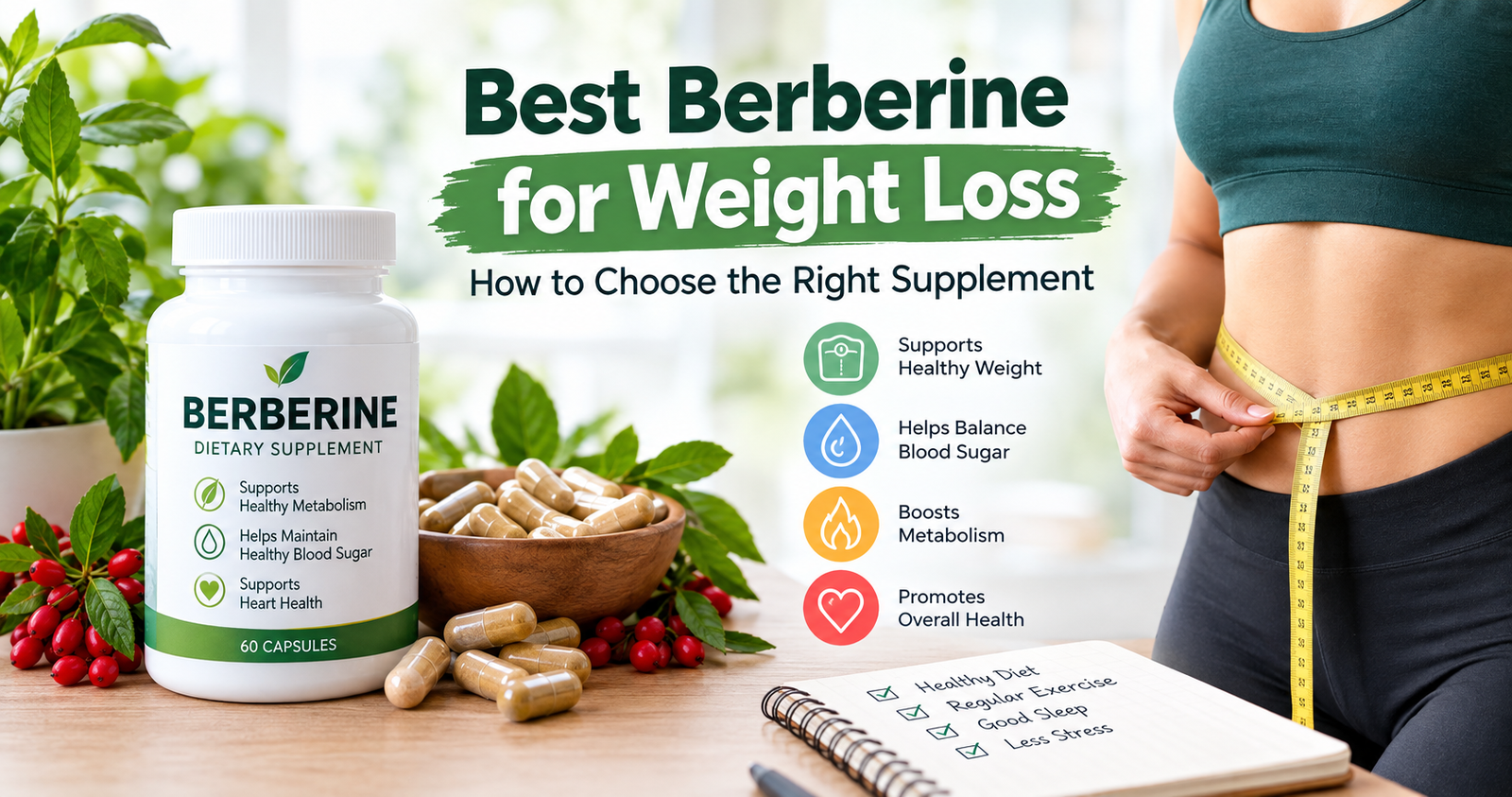
If you have been researching natural supplements that may support weight management, you have probably come across best berberine for weight loss searches. Berberine has attracted considerable attention because it is a plant-derived compound that has been studied for metabolic health, blood sugar regulation, cholesterol, and body-weight-related measures. At the same time, the internet has created plenty of exaggerated claims around it, making it difficult to understand what actually matters when choosing a supplement.
The idea behind finding the best berberine for weight loss is not simply picking the bottle with the biggest marketing claim. A quality product should have transparent labeling, a clearly identified berberine ingredient, sensible formulation choices, and appropriate quality controls. More importantly, berberine should be viewed as a supplement rather than a replacement for nutritious food, regular physical activity, adequate sleep, or professional medical care.
What Is Berberine?
Berberine is a naturally occurring plant compound found in several plants, including barberry, goldenseal, Oregon grape, and related botanical sources. It has a long history of use in traditional medical systems and has also become the subject of modern research into metabolic and cardiovascular health.
Today, berberine is commonly sold as a dietary supplement. Interest in it has grown particularly because researchers have investigated its possible relationship with glucose metabolism, insulin sensitivity, blood lipids, and measures associated with body weight.
When people search for the best berberine for weight loss, they are often looking for a product that can help them lose body fat quickly. That expectation needs to be put into perspective. Research suggests that berberine may have modest effects on some obesity-related measurements, but the available evidence does not establish it as a guaranteed weight-loss solution.
Why Is Berberine Popular for Weight Management?
Berberine became especially popular online because of its potential effects on metabolic pathways. Some research has investigated how berberine may influence glucose metabolism and other processes associated with energy balance.
This has led to comparisons between berberine supplements and prescription medications used for metabolic conditions. Such comparisons can be misleading, however. A supplement containing berberine is not automatically equivalent to a prescription medicine, and marketing language should not be treated as clinical evidence.
Interest in the best berberine for weight loss also comes from research showing changes in certain body measurements in some clinical studies. However, results have varied between studies, and researchers continue to call for better-designed trials.
What Does Research Say About Berberine and Weight Loss?
The research surrounding berberine and body weight is promising but not definitive. Several reviews have reported improvements in measurements such as body weight, body mass index, or waist circumference among people taking berberine. Other analyses have found smaller or inconsistent effects.
More recent research continues to examine this question. A recent systematic review and meta-analysis of randomized controlled trials reported reductions in body weight, body mass index, and waist circumference associated with berberine supplementation. The researchers also noted limitations in the existing evidence and called for better reporting and stronger trial methods.
This is important when evaluating the best berberine for weight loss because a supplement should not be judged solely by testimonials. Individual experiences can be very different from results observed across clinical research.
Can Berberine Actually Help With Body Fat?
Body fat reduction is more complicated than simply taking a supplement. Losing fat generally requires a sustained difference between energy intake and energy expenditure, while appetite, sleep, activity, hormones, genetics, stress, and metabolic health can all influence the process.
Berberine may potentially support some metabolic factors involved in weight management, but that does not mean it directly melts body fat. Claims suggesting dramatic fat burning should therefore be approached carefully.
When choosing the best berberine for weight loss, it makes more sense to look for a transparent and appropriately manufactured product rather than one advertised as a powerful fat burner. A supplement should complement healthy habits rather than become the foundation of a weight-management strategy.
What Should You Look for in the Best Berberine for Weight Loss?

Choosing the best berberine for weight loss starts with looking beyond flashy packaging. The supplement label should clearly identify the active ingredient and provide useful information about the formulation.
A reputable manufacturer should make it reasonably easy for consumers to understand what they are buying. Clear labeling, manufacturing information, ingredient transparency, and appropriate quality testing can all make a product easier to evaluate.
It is also worth being cautious with blends that contain many unrelated ingredients. A complicated formula may sound impressive, but more ingredients do not automatically mean better results. A straightforward formulation can make it easier to understand what you are taking.
Check the Ingredient Label Carefully
The ingredient label is one of the most useful tools when shopping for berberine. Look for a product that clearly identifies berberine rather than relying on vague language such as proprietary metabolic blend or botanical weight formula.
The source of the berberine should also be explained clearly enough for consumers to understand the product. If the label makes it difficult to determine how much berberine is present or what other active ingredients are included, consider that a reason to investigate the manufacturer further.
For anyone comparing the best berberine for weight loss, transparent labeling is generally more useful than aggressive promises about results.
Look for Independent Quality Testing
Dietary supplement quality can vary, so third-party testing can be an important consideration. Independent testing may provide additional information about whether a product contains what its label says it contains and whether it meets certain quality standards.
Third-party certification is not a guarantee that a supplement will produce weight loss. Instead, it can provide another layer of confidence about manufacturing and product quality.
When evaluating the best berberine for weight loss, think of testing as a quality consideration rather than a performance guarantee. A carefully manufactured supplement can still have modest effects, and an impressive marketing campaign does not prove effectiveness.
Avoid Unrealistic Weight-Loss Claims
One of the easiest ways to identify questionable supplement marketing is to look at the promises. Be cautious when a product claims that it will rapidly melt fat, produce effortless weight loss, replace a healthy diet, or deliver guaranteed results.
Weight management is rarely that simple. Even interventions supported by substantial research can affect different people differently.
The best berberine for weight loss should therefore be selected based on ingredient transparency and responsible manufacturing rather than dramatic before-and-after promises. A realistic product description is usually more meaningful than a sensational one.
Berberine and Blood Sugar Metabolism
One reason berberine receives attention in metabolic health research is its relationship with blood glucose regulation. Studies have investigated whether berberine may influence glucose levels and insulin resistance, particularly among people with metabolic conditions.
These findings are part of the reason some people become interested in berberine when trying to manage body weight. Blood sugar regulation and weight management can be interconnected, although improving one does not automatically guarantee improvement in the other.
If you already use medication that affects blood glucose, this becomes particularly important. Berberine may affect metabolic processes and can potentially interact with medications, so professional guidance is appropriate before adding it to an existing treatment plan.
Berberine and Appetite
Some people take berberine because they hope it will reduce appetite or make dieting easier. However, the evidence for appetite suppression is not strong enough to treat berberine as a dependable appetite-control supplement.
If hunger is making weight management difficult, it can be more useful to examine the overall eating pattern. Meals containing adequate protein, fiber, and nutrient-dense foods may help support fullness.
The best berberine for weight loss should not be marketed as a substitute for understanding hunger, eating habits, sleep, and lifestyle factors. Those elements remain central to sustainable weight management.
How Berberine Fits Into a Healthy Lifestyle
A supplement works best when it fits into a broader health routine. Regular movement, resistance exercise, nutritious meals, adequate protein, sufficient sleep, and stress management all contribute to a healthier approach to weight management.
Berberine may be considered by some adults as one part of that overall strategy, particularly when discussed with a qualified healthcare professional.
Instead of asking whether the best berberine for weight loss can do all the work, a more useful question is how a supplement might fit into your existing routine without creating unnecessary risks or unrealistic expectations.
Common Side Effects of Berberine
Berberine is not completely free of side effects. Gastrointestinal problems are among the most commonly reported concerns. Some people may experience nausea, abdominal discomfort, bloating, constipation, diarrhea, or vomiting.
These effects can make supplementation unpleasant for some individuals. If significant symptoms develop after starting a supplement, it is sensible to stop and discuss the situation with a healthcare professional.
The goal when selecting the best berberine for weight loss should not be finding the strongest possible product. A product that causes significant unwanted effects is unlikely to be a useful addition to a long-term routine.
Who Should Be Careful With Berberine?
People taking prescription medications should discuss berberine with a healthcare professional before using it. Berberine can interact with certain medicines, meaning that adding it without professional guidance may create unnecessary risks.
People who are pregnant or breastfeeding should avoid berberine unless specifically advised otherwise by an appropriate healthcare professional. Berberine should also not be given to infants because of safety concerns.
Anyone with a medical condition should consider their individual circumstances before starting supplementation. The fact that an ingredient comes from a plant does not automatically make it appropriate for every person.
Berberine Is Not a Replacement for Weight-Loss Medication
Another important point is that berberine should not automatically be considered an alternative to medically approved weight-management treatments. Prescription therapies are evaluated through specific regulatory and clinical processes, while dietary supplements operate under different standards.
This distinction matters because online discussions sometimes portray berberine as a natural equivalent of prescription weight-loss drugs. Such comparisons can create unrealistic expectations.
If weight management is difficult despite consistent lifestyle changes, speaking with a healthcare professional can help identify appropriate options. The best berberine for weight loss is still a supplement, not a universal treatment.
Why Product Formulation Matters
Not every berberine supplement is formulated in exactly the same way. Products can differ in ingredient combinations, manufacturing standards, dosage forms, and additional ingredients.
Consumers should be especially cautious with products that combine berberine with long lists of stimulants or other weight-loss compounds. Combining multiple active ingredients can make it harder to determine what is responsible for an effect or side effect.
A simple formulation with clear labeling may be easier to evaluate than a complicated product built primarily around marketing. When comparing the best berberine for weight loss, simplicity and transparency can be valuable qualities.
Capsules, Tablets, and Other Forms
Berberine is commonly available in capsule and tablet formats. The choice between them is usually more about personal preference, formulation, and manufacturer quality than about finding a universally superior format.
Some products may include additional ingredients designed to support absorption or tolerance. However, these additions should not automatically be interpreted as proof that the product works better for weight loss.
The most important consideration is whether the product is clearly labeled, appropriately manufactured, and suitable for the individual taking it.
Why Dosage Should Not Be Chosen From Social Media
Social media frequently contains recommendations about how much berberine someone should take. These recommendations may not account for medical conditions, medications, age, dietary patterns, or individual tolerance.
Research studies have used different formulations and amounts, which makes it difficult to turn study protocols into a universal personal recommendation.
Anyone considering the best berberine for weight loss should therefore avoid copying another person’s supplement routine without professional advice. More is not automatically better, and increasing an amount can also increase the chance of unwanted effects.
How to Compare Berberine Brands
When comparing different products, start with the basics. Look at the ingredient panel, manufacturer information, quality testing, serving information, and additional ingredients.
Next, examine the claims made by the company. Responsible companies generally avoid promising guaranteed or dramatic weight loss. Be skeptical of products that rely heavily on testimonials while providing little meaningful information about quality or evidence.
Finally, consider whether the product fits your personal needs. The best berberine for weight loss for one person may not be appropriate for another, particularly when medications or health conditions are involved.
The Role of Diet While Using Berberine
No supplement can compensate for an eating pattern that consistently works against your goals. A nutrient-dense diet can provide protein, fiber, vitamins, minerals, and other compounds needed for overall health.
For weight management, meals built around vegetables, fruits, whole grains, protein-rich foods, and healthy fats can support a balanced approach. Portion awareness and eating patterns also matter.
If you choose to use the best berberine for weight loss, it should fit alongside these habits rather than replace them. The supplement is only one small part of a much larger picture.
Exercise Still Matters
Physical activity plays an important role in maintaining health and supporting weight management. Walking, strength training, cycling, swimming, and other forms of movement can all contribute to a more active lifestyle.
Resistance exercise can be particularly useful because maintaining muscle is important during periods of weight loss. Cardiovascular activity can also support fitness and energy expenditure.
Berberine should therefore not be viewed as a replacement for exercise. A supplement may be part of a routine, but regular movement remains one of the most practical foundations of long-term health.
Sleep and Stress Should Not Be Ignored
Weight management is influenced by more than food and exercise. Poor sleep and chronic stress can affect eating behavior, energy, recovery, and daily activity.
Someone searching for the best berberine for weight loss may focus heavily on finding the right capsule while overlooking these lifestyle factors. Improving sleep quality and developing practical stress-management habits may be just as relevant to the overall strategy.
A sustainable approach should focus on the entire routine rather than a single ingredient.
Beware of Berberine Weight-Loss Hype
The popularity of berberine has created an enormous amount of online content. Some of that information is educational, while other material is primarily designed to sell products.
Claims that berberine produces dramatic weight loss should be evaluated carefully. Research does not support treating it as a miracle supplement.
The best berberine for weight loss is not necessarily the product with the most aggressive advertising. A better approach is to examine evidence, product quality, transparency, safety, and your own health circumstances.
How Long Does Berberine Take to Work?
There is no universal timeline for weight-related results from berberine. Research has used different treatment periods, formulations, and participant groups, so individual experiences can vary considerably.
It is also important to remember that changes on a scale can reflect water, digestive contents, muscle, and other factors rather than body-fat changes alone.
Instead of expecting an immediate transformation, people interested in the best berberine for weight loss should focus on sustainable habits and realistic expectations. If there is no meaningful progress despite consistent effort, a healthcare professional can help investigate possible reasons.
Is Natural Always Better?
The word natural can make a supplement sound safer than conventional medicine, but natural does not automatically mean risk-free. Plant compounds can have powerful biological effects and may interact with medications.
Berberine is a good example. Although it occurs naturally in several plants, it can still produce side effects and interact with certain medicines.
That is why choosing the best berberine for weight loss requires the same thoughtful approach you would use with any active supplement. Quality, safety, suitability, and evidence should all matter.
What Makes a Berberine Supplement Worth Considering?
A worthwhile product should make it relatively easy to understand what you are purchasing. Clear ingredient information, transparent labeling, appropriate manufacturing practices, and credible quality testing are all useful signs.
It should also avoid making unrealistic promises. No supplement should be presented as a guaranteed solution for weight loss.
The best berberine for weight loss is therefore better understood as a product that meets reasonable standards for transparency and quality rather than a magic formula that guarantees a particular result.
Final Thoughts on the Best Berberine for Weight Loss
Berberine has become a popular supplement for people interested in weight management and metabolic health. Research suggests that it may have modest effects on certain measures related to body weight, body mass index, and waist circumference, but the evidence is still developing and does not justify treating berberine as a miracle weight-loss solution.
When searching for the best berberine for weight loss, concentrate on quality rather than hype. Look for transparent labeling, clearly identified ingredients, responsible manufacturing, and credible quality controls. Be cautious about exaggerated promises and complicated formulas that make it difficult to understand what you are actually taking.
Most importantly, remember that weight management is influenced by nutrition, physical activity, sleep, stress, genetics, medications, and overall health. Berberine may be considered as one component of a broader approach, but it should not replace professional medical care or established healthy habits. Anyone taking medication, managing a medical condition, pregnant, or breastfeeding should speak with a qualified healthcare professional before using berberine.
Conclusion
Finding the best berberine for weight loss is about more than choosing a popular brand or trusting bold claims on a label. Berberine has attracted attention because research suggests it may support certain aspects of metabolic health and may have modest effects on weight-related measurements. However, it should not be viewed as a guaranteed or rapid solution for losing body fat.
A sensible approach is to choose a transparent product from a reputable manufacturer, pay attention to ingredient information and quality testing, and consider your individual health circumstances. A healthy diet, regular physical activity, sufficient sleep, and sustainable habits remain important parts of any weight-management strategy.
If you take prescription medication, have an existing medical condition, or are pregnant or breastfeeding, speak with a qualified healthcare professional before using berberine. With realistic expectations and appropriate guidance, berberine can be considered as one possible component of a broader approach to health and weight management.
Frequently Asked Questions
Is berberine effective for weight loss?
Research suggests that berberine may produce modest improvements in certain weight-related measurements for some people. However, the evidence is still developing, and berberine should not be considered a guaranteed weight-loss treatment.
What should I look for when choosing berberine?
Look for clear ingredient labeling, transparent manufacturing information, appropriate quality testing, and a reputable manufacturer. Avoid products that promise dramatic or guaranteed weight loss.
Can berberine cause side effects?
Yes. Berberine can cause digestive side effects such as nausea, diarrhea, constipation, bloating, or abdominal discomfort. Anyone experiencing persistent or severe symptoms should discuss them with a healthcare professional.
Can I take berberine with medication?
Berberine can interact with certain medications, including some medicines that affect blood sugar and other metabolic processes. If you regularly take prescription or over-the-counter medication, consult a healthcare professional before starting berberine.
Is berberine a replacement for weight-loss medication?
No. Berberine is a dietary supplement and should not automatically be considered a replacement for medically approved weight-management treatments. Anyone struggling with weight management can discuss evidence-based options with a qualified healthcare professional.
YOU MAY READ ALSO
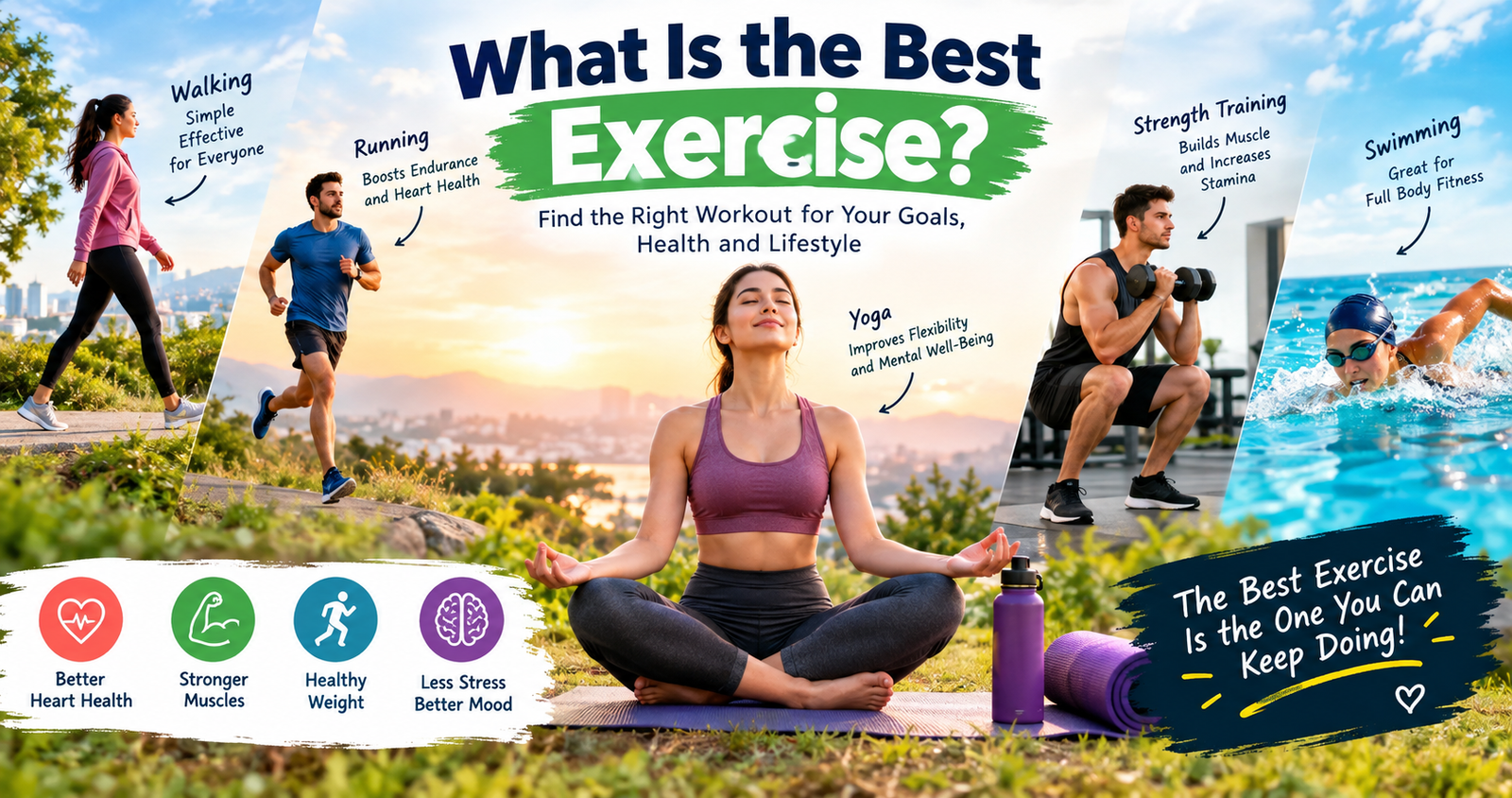
If you have ever searched for what is the best exercise, you have probably noticed that there is no shortage of answers. Some people recommend running, others swear by strength training, while someone else may tell you that walking, swimming, cycling, or yoga is the ultimate choice. The truth is a little more interesting: there is no single exercise that is perfect for every person.
The best exercise depends on your goals, fitness level, lifestyle, health, interests, and how consistently you can perform it. An exercise routine does not have to be extreme to be effective. In fact, the most useful workout is often the one you genuinely enjoy and can continue doing over time. Understanding this simple idea can completely change the way you approach fitness.
When people ask what is the best exercise, they are often looking for one activity that can improve everything at once. While certain exercises provide broad benefits, fitness is usually strongest when different forms of movement work together. Cardiovascular activity can support heart health, resistance training can develop strength, mobility exercises can improve movement, and recreational activities can make fitness enjoyable.
What Is the Best Exercise for Overall Health?
For overall health, the best exercise is usually a combination of activities that keep your heart, muscles, joints, and mind active. Walking is a great starting point because it is accessible, gentle, and easy to include in everyday life. You do not need complicated equipment or a specialized facility to make walking part of your routine.
Strength training is another important part of a healthy exercise plan. It can help build and maintain muscle, support bone health, improve physical function, and make everyday activities easier. Exercises such as squats, lunges, push-ups, rows, and controlled resistance movements can all contribute to a stronger body when performed with appropriate technique.
So, if someone asks what is the best exercise for general wellness, the answer should not simply be one movement. A balanced routine that includes cardiovascular movement, resistance work, mobility, and recovery is a much more useful approach.
What Is the Best Exercise for Weight Management?
When the goal is weight management, people often immediately think about intense cardio. Running, cycling, swimming, brisk walking, and similar activities can increase energy expenditure and support an active lifestyle. However, exercise works best as part of a broader approach that also includes nutritious food, sufficient sleep, stress management, and sustainable habits.
Resistance training can be especially valuable because maintaining muscle is important while changing body composition. Building strength also gives people more confidence in their physical abilities. You do not necessarily need to spend hours in a gym to benefit from resistance exercises.
If you are wondering what is the best exercise for weight management, choose an activity that you can perform consistently without feeling miserable. An enjoyable brisk walk performed regularly may be more useful in the long run than an extremely demanding workout that you abandon after a short period.
What Is the Best Exercise for Building Strength?
If your main goal is strength, resistance training deserves a central place in your routine. Strength exercises challenge muscles to work against resistance, which can come from your own body weight, free weights, machines, resistance bands, or other suitable equipment.
Basic movement patterns are particularly useful because they train the body in ways that relate to everyday activities. Squatting, pushing, pulling, hinging, carrying, and rotating are examples of movements that can form the foundation of a practical strength program.
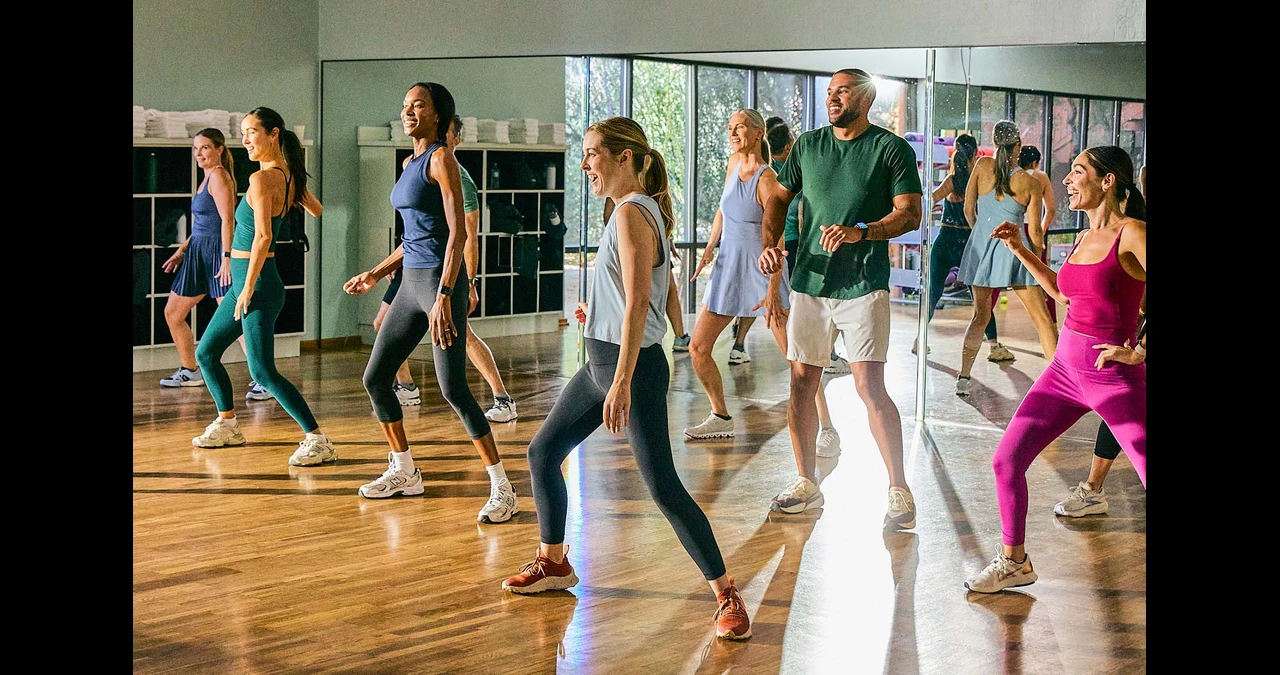
For people asking what is the best exercise for strength, there is no need to search for a mysterious perfect movement. Consistently practicing well-chosen exercises with good technique is far more important. Gradual progression, proper recovery, and appropriate resistance can make a bigger difference than constantly changing exercises.
What Is the Best Exercise for Heart Health?
Cardiovascular exercise is important for maintaining a healthy heart and circulatory system. Activities that keep you moving continuously can challenge your cardiovascular system and improve your endurance. Walking, jogging, cycling, swimming, dancing, rowing, and hiking are popular options.
The best cardiovascular activity is not necessarily the one that leaves you completely exhausted. Moderate, sustainable activity can be highly valuable, especially for people who are building an exercise habit. As your fitness improves, you can gradually adjust the intensity according to your abilities and goals.
When considering what is the best exercise for heart health, think about what allows you to move regularly while remaining comfortable and safe. Enjoyment matters because an activity you like is much easier to maintain.
What Is the Best Exercise for Beginners?
Beginners should focus on building confidence rather than trying to imitate advanced athletes. Walking, gentle cycling, basic bodyweight exercises, mobility routines, and beginner-friendly strength training can provide a solid foundation.
One of the biggest mistakes beginners make is doing too much too soon. A workout that feels manageable today is more useful than a workout that causes excessive soreness and makes you avoid exercise afterward. Progress should be gradual, especially when your body is not accustomed to regular physical activity.
If you are a beginner searching what is the best exercise, start with something simple. Learn how your body moves, develop good habits, and increase your workload gradually. Fitness is a long-term process rather than a quick challenge.
What Is the Best Exercise for Older Adults?
For older adults, exercise can support independence, strength, balance, mobility, and overall quality of life. Walking is often a practical choice, while resistance exercises can help maintain muscle and functional strength.
Balance and flexibility also become increasingly important as people age. Gentle mobility exercises, controlled strength movements, swimming, water-based exercise, and suitable balance activities can all be useful depending on individual ability.
The answer to what is the best exercise for an older adult should always consider personal circumstances. Someone who has joint problems, previous injuries, or other health concerns may need to modify exercises or seek professional guidance before starting a new program.
What Is the Best Exercise for Mental Well-Being?
Exercise is not only about physical appearance. Movement can also have a positive effect on mood, stress management, confidence, and general mental well-being. Activities such as walking outdoors, cycling, swimming, dancing, yoga, and recreational sports can provide both physical movement and a mental break.
Outdoor exercise can be particularly refreshing because it combines movement with a change of environment. A walk through a park, a relaxed bike ride, or a hike can feel very different from completing a repetitive indoor workout.
If someone asks what is the best exercise for mental well-being, enjoyment should be a major consideration. The best choice may be the activity that helps you feel refreshed rather than pressured.
What Is the Best Exercise for Flexibility and Mobility?
Flexibility and mobility are sometimes overlooked because people tend to associate fitness with strength or cardio. However, being able to move comfortably through everyday positions is an important part of physical fitness.
Stretching, yoga, controlled mobility drills, and gentle movement practices can help people become more comfortable with movement. Mobility work can also be included before or after workouts depending on the purpose of the session.
When deciding what is the best exercise for mobility, focus on movements that address the areas you actually need to improve. Mobility training does not have to be complicated. Consistent, controlled practice is usually more useful than performing an enormous collection of stretches without a clear purpose.
Is Walking Really One of the Best Exercises?
Walking may look simple, but its simplicity is exactly what makes it powerful. It is accessible to many people, requires little equipment, and can be adjusted to different fitness levels. You can walk slowly when recovering or increase your pace when you want a greater challenge.
Walking also fits naturally into daily life. You can walk during a break, explore your neighborhood, take the stairs when appropriate, or simply spend more time on your feet. These small changes can make an active lifestyle feel less like a chore.
For many people wondering what is the best exercise, walking deserves serious consideration. It may not look impressive on social media, but an activity that you can comfortably perform and repeat is extremely valuable.
Is Running the Best Exercise?
Running can be an excellent cardiovascular activity for people who enjoy it and whose bodies tolerate it well. It can improve endurance and provide a convenient way to exercise without requiring complicated equipment.
However, running is not automatically the best choice for everyone. Some people may find it uncomfortable because of previous injuries, joint issues, lack of conditioning, or simple personal preference. That does not mean they cannot become fit.
The question what is the best exercise should never turn into a competition. If running feels great and fits your lifestyle, it can be an excellent option. If it does not, there are plenty of other effective ways to improve fitness.
Is Strength Training Better Than Cardio?
Strength training and cardiovascular exercise serve different purposes, so comparing them as if one must defeat the other is not particularly useful. Strength training focuses heavily on muscular performance, while cardio challenges the heart and lungs and develops endurance.
A well-rounded fitness routine can include both. For example, someone might combine brisk walking or cycling with resistance exercises and mobility work. This approach gives the body different types of physical challenges rather than repeatedly stressing the same system.
Therefore, when people ask what is the best exercise, a better question may be: what combination of activities supports my goals? This change in thinking can make fitness much more practical.
How to Choose the Best Exercise for Your Lifestyle
The best exercise is one that fits your actual life. If you have a busy schedule, an elaborate routine that requires a long commute to a gym may be difficult to maintain. A short home workout, walking routine, or cycling session may be more realistic.
Your personality matters too. Some people love structured gym sessions, while others become bored quickly. Some enjoy exercising alone, while others feel motivated by group classes or sports. There is no universal personality type for fitness.
When deciding what is the best exercise, consider accessibility, enjoyment, comfort, time, and consistency. An activity that checks these boxes has a much better chance of becoming a permanent part of your lifestyle.
How Consistency Changes the Answer
Consistency is one of the most important factors in fitness. An average workout performed regularly can produce meaningful results, while a supposedly perfect workout performed occasionally may not accomplish much.
Consistency does not mean every workout has to be identical. Your energy, schedule, and circumstances will change. Some days may be ideal for strength training, while another day may be better suited to walking or gentle mobility work.
This is why the answer to what is the best exercise is closely connected to sustainability. Choose activities that you can realistically continue. Fitness should become part of your lifestyle rather than a temporary project.
Common Mistakes People Make When Choosing Exercise
One common mistake is copying someone else’s routine without considering personal needs. An experienced athlete may have completely different requirements from a beginner. Following an advanced routine simply because it looks impressive can lead to unnecessary fatigue or poor technique.
Another mistake is believing that harder always means better. Exercise should challenge you, but excessive intensity without adequate recovery can make progress harder. Quality movement, appropriate progression, and recovery are all important.
People also sometimes change workouts too frequently. While variety can be useful, constantly jumping from one program to another makes it difficult to determine what is actually working. Before deciding what is the best exercise, give your routine enough time to become a habit.
How to Make Exercise More Enjoyable
Enjoyment is often underestimated in fitness. If you dislike every moment of your workout, maintaining the routine can become difficult. Fortunately, exercise does not have to look like a traditional gym session.
Try listening to music while walking, exercising outdoors, joining a recreational sport, dancing at home, hiking with friends, or exploring different types of movement. You can also set small personal goals that have nothing to do with appearance, such as improving stamina, moving more comfortably, or becoming stronger.
When people ask what is the best exercise, they sometimes expect a technical answer. But enjoyment is a practical fitness tool. The activity you look forward to doing can become more valuable than an activity that looks perfect on paper.
Safety Should Always Come First
Before beginning a new exercise routine, it is important to consider your current fitness level and physical condition. If you have an existing injury, significant pain, or a medical concern, professional guidance can help you choose appropriate activities.
Good technique also matters. Learn the basic movement before increasing resistance or intensity. Start at a level that feels manageable and give your body time to adapt.
The safest answer to what is the best exercise is an activity that challenges you appropriately without ignoring warning signs from your body. Normal effort and temporary fatigue are different from sharp pain or symptoms that require attention.
Building a Balanced Exercise Routine
A balanced exercise routine does not need to be complicated. Think about including cardiovascular movement, resistance exercises, mobility work, and enough recovery. You can adjust the emphasis depending on your goals.
For example, someone focused on endurance may prioritize walking, cycling, swimming, or another cardiovascular activity. Someone focused on strength may give greater attention to resistance training while still maintaining cardiovascular fitness.
This balanced approach makes the question what is the best exercise much easier to answer. Instead of searching endlessly for one magical movement, you create a routine that supports different aspects of your health.
The Best Exercise Is the One You Can Maintain
There is a simple principle behind almost every successful exercise routine: sustainability beats perfection. You do not need the most expensive equipment, the most complicated program, or the most intense workout.
You need movement that fits your goals and your life. You need enough consistency to allow your body to adapt. You also need patience because meaningful fitness improvements generally develop through repeated effort rather than overnight changes.
So, if you are still wondering what is the best exercise, consider your own situation first. Walking may be perfect for one person, strength training may be ideal for another, and swimming or cycling may be better for someone else. There is no shame in choosing the option that feels most natural to you.
Conclusion
So, what is the best exercise? The most accurate answer is that the best exercise is the one that matches your goals, abilities, preferences, and lifestyle while allowing you to stay consistent.
Walking, running, cycling, swimming, strength training, yoga, sports, and mobility exercises can all be excellent choices. Instead of looking for one perfect workout, focus on creating a balanced approach that keeps you moving and makes you feel stronger and healthier.
Ultimately, what is the best exercise is not just a question about a particular movement. It is a question about what kind of physical activity you can enjoy, perform safely, and continue for the long term. Choose something realistic, start gradually, stay consistent, and allow your routine to evolve as your fitness improves.
Frequently Asked Questions
What is the best exercise for beginners?
The best exercise for beginners is usually something simple, manageable, and enjoyable. Walking, gentle cycling, basic bodyweight movements, and beginner-friendly resistance exercises are good starting points for many people.
What is the best exercise for overall fitness?
A combination of cardiovascular activity, strength training, mobility work, and recovery is generally more useful than relying on one exercise. A balanced routine can support several areas of physical fitness.
What is the best exercise for weight management?
Activities such as brisk walking, cycling, swimming, running, and resistance training can all contribute to an active lifestyle. The best option is one you can perform consistently alongside healthy eating and other supportive habits.
What is the best exercise for heart health?
Cardiovascular activities such as walking, cycling, swimming, jogging, and dancing can help improve endurance and support cardiovascular health. The appropriate activity depends on your fitness level and individual circumstances.
What is the best exercise to do every day?
There is no requirement to perform the same workout every day. Light activities such as walking and mobility work can often fit into everyday routines, while more demanding exercise may require recovery between sessions.
YOU MAY READ ALSO
What Is the Best Exercise? Best Exercises for Health & Fitness

Healthy living does not have to mean following an extreme routine, giving up every food you enjoy, or spending hours at the gym. Advice TheWeeklyHealthiness represents a simple idea: wellness becomes much easier when you focus on practical habits that fit naturally into everyday life. Good health is built through consistent choices, realistic expectations, and a willingness to take care of both the body and mind.
The most useful Advice TheWeeklyHealthiness can offer is not about chasing perfection. It is about understanding what your body needs, recognizing habits that may be holding you back, and making small improvements that you can actually maintain. A balanced approach can make healthy living feel less like a temporary challenge and more like a normal part of life.
What Advice TheWeeklyHealthiness Really Means
Advice TheWeeklyHealthiness can be understood as a collection of practical wellness principles designed to help people make better everyday decisions. Instead of treating health as something that only matters when a problem appears, this approach encourages people to think about prevention, balance, energy, rest, nutrition, movement, and emotional well-being as connected parts of life.
A useful wellness routine should also respect the fact that everyone is different. Age, lifestyle, work schedule, environment, personal preferences, and existing health needs can all influence what works best. Good Advice TheWeeklyHealthiness therefore focuses on adaptable habits rather than one rigid formula that supposedly works for everybody.
Build Healthy Habits Slowly
One of the most important principles behind Advice TheWeeklyHealthiness is consistency. People often become motivated to completely change their lifestyle overnight, only to lose that motivation after a short period. A much more sustainable approach is to introduce manageable habits gradually and give yourself time to adjust.
For example, someone who rarely exercises does not necessarily need an intense workout routine immediately. Starting with regular walks, gentle stretching, or another enjoyable form of movement can make the transition easier. Once the habit becomes comfortable, it can naturally develop into a broader fitness routine.
Small improvements may appear insignificant at first, but their value comes from repetition. Drinking enough water, choosing nourishing meals, getting adequate rest, taking movement breaks, and creating time to relax can collectively have a much greater impact than a short-lived attempt at perfection.
Focus on Balanced Nutrition
Food plays a major role in overall wellness, but healthy eating does not have to be complicated. Advice TheWeeklyHealthiness encourages a balanced relationship with food rather than unnecessary restriction. Meals can include a variety of vegetables, fruits, whole grains, protein sources, and healthy fats according to individual dietary needs and preferences.
A practical approach is to pay attention to food quality and variety while also listening to hunger and fullness cues. Highly processed foods can still appear in a balanced diet, but relying heavily on them may make it harder to meet nutritional needs. Choosing a broader range of whole and minimally processed foods can help make meals more satisfying and nourishing.
Nutrition should also be enjoyable. When healthy eating becomes associated with guilt or constant restriction, it can become difficult to maintain. A realistic wellness mindset leaves room for favorite foods while encouraging overall balance.
Stay Hydrated Throughout the Day
Hydration is another basic part of everyday wellness that is easy to overlook. People may become busy with work, school, family responsibilities, or travel and simply forget to drink enough fluids. Keeping water accessible can make hydration a much easier habit to maintain.
Your fluid needs can vary depending on factors such as weather, physical activity, diet, and individual circumstances. Instead of obsessing over a single target, pay attention to your body’s signals and make drinking fluids a regular part of your daily routine.
Water can also be an easy alternative to sugary drinks when you want to reduce added sugar. Unsweetened beverages can provide variety while keeping hydration simple. If you have a medical condition that affects fluid intake, personalized guidance from a healthcare professional should take priority.
Make Movement Part of Daily Life
Exercise is important, but wellness does not require every workout to be intense. Advice TheWeeklyHealthiness emphasizes finding movement that you genuinely enjoy. Walking, cycling, swimming, dancing, strength training, recreational sports, stretching, and other activities can all become useful components of an active lifestyle.
The biggest challenge for many people is not knowing which exercise is best. It is finding something they can consistently fit into their lives. An enjoyable activity is often easier to repeat than a routine chosen only because it is currently popular.
Daily movement can also happen outside formal exercise sessions. Taking short walking breaks, using stairs when practical, doing household activities, or spending time outdoors can help reduce long periods of inactivity. The goal is to make movement feel normal rather than treating it as punishment for eating.
Give Sleep the Attention It Deserves
Sleep is sometimes sacrificed when life becomes busy, but quality rest is an essential part of wellness. A person may eat well and stay physically active, yet still feel exhausted if they consistently neglect sleep.

Advice TheWeeklyHealthiness encourages people to create a relaxing sleep environment and establish habits that make winding down easier. Going to bed and waking up at relatively consistent times can help create structure. Limiting stimulating activities close to bedtime may also make it easier for some people to relax.
Good sleep habits are not about forcing yourself to fall asleep instantly. They are about creating conditions that support natural rest. If persistent sleep problems affect your daily life, discussing them with a qualified healthcare professional is a sensible step.
Protect Your Mental Well-Being
Physical health is only part of the picture. Emotional and mental well-being deserve equal attention. Advice TheWeeklyHealthiness recognizes that stress, loneliness, pressure, uncertainty, and constant demands can influence how a person feels and behaves.
Simple habits can help create more breathing room. Spending time with supportive people, practicing relaxation techniques, enjoying hobbies, writing down thoughts, taking breaks from screens, and spending time outside may all help reduce everyday stress for some people.
It is also important to recognize when ordinary stress becomes something more serious. Feeling overwhelmed for an extended period, experiencing major changes in mood, or struggling to manage normal responsibilities can be reasons to seek professional support. Asking for help is not a weakness; it is a responsible part of caring for yourself.
Create a Healthier Daily Routine
A routine can make healthy choices easier because you do not have to make every decision from scratch. Advice TheWeeklyHealthiness suggests building a daily structure that includes time for meals, movement, work, rest, social connection, and personal activities.
The best routine is one that fits your real life. A complicated schedule may look impressive on paper but become frustrating when unexpected responsibilities appear. A flexible routine gives you structure without making you feel as though one missed habit has ruined the entire day.
Try thinking of wellness as a collection of small opportunities rather than a strict checklist. If you miss a workout, you can still take a walk later. If you eat an unbalanced meal, the next meal can be more nourishing. This mindset prevents temporary setbacks from turning into long-term discouragement.
Learn to Manage Everyday Stress
Stress is a normal part of life, but constantly operating under pressure can become exhausting. Work, relationships, financial responsibilities, deadlines, family concerns, and social expectations can all contribute to stress.
Advice TheWeeklyHealthiness encourages people to identify the situations that repeatedly drain their energy. Once those triggers become clearer, it may be possible to make practical adjustments. That might involve setting boundaries, organizing responsibilities, taking regular breaks, or discussing concerns with someone trustworthy.
Relaxation also does not have to mean sitting completely still. Some people relax through music, reading, cooking, walking, creative activities, exercise, or conversations with friends. The important point is to deliberately make space for recovery instead of waiting until exhaustion forces you to stop.
Pay Attention to Preventive Health
Wellness is not only about what you do at home. Preventive healthcare is another important part of responsible health management. Regular medical and dental care can help identify potential concerns early, depending on your age, personal circumstances, and healthcare recommendations.
Advice TheWeeklyHealthiness should complement professional medical care rather than replace it. Online wellness information can provide general education, but it cannot account for every individual’s medical history, medications, symptoms, or risk factors.
Keeping track of recommended screenings, vaccinations, dental appointments, and other appropriate healthcare visits can help you stay proactive. If something about your health feels unusual or concerning, professional evaluation is more appropriate than relying solely on general wellness content.
Develop a Positive Relationship With Your Body
Modern culture often encourages people to judge themselves according to unrealistic appearance standards. This can make wellness feel like a constant battle against the body rather than an effort to care for it.
A healthier perspective is to appreciate what your body allows you to do. Strength, mobility, energy, concentration, endurance, and everyday functioning can all be meaningful measures of well-being. Appearance may matter to some people, but it should not be the only measure of health.
Advice TheWeeklyHealthiness promotes a mindset where self-care is not based on punishment. Exercise can be about feeling stronger. Nutritious food can be about nourishment. Rest can be about recovery. When health habits are connected to care rather than criticism, they can become much easier to maintain.
Make Your Environment Support Your Goals
Your surroundings can strongly influence your habits. If healthy choices are convenient, you may be more likely to make them. If everything requires significant effort, even good intentions can disappear when you are tired or busy.
One practical Advice TheWeeklyHealthiness strategy is to make useful choices easier. Keep nutritious foods available, prepare simple meals when possible, keep comfortable exercise clothing accessible, and create a calm space for rest.
This principle works in the opposite direction as well. If you want to spend less time scrolling, for instance, reducing unnecessary notifications or keeping your phone away during certain activities can create useful distance. Instead of depending entirely on willpower, design your surroundings to support the behavior you want.
Avoid Extreme Wellness Trends
The internet is full of dramatic health claims promising rapid results. Some trends encourage severe restriction, unrealistic exercise routines, unnecessary products, or complicated rituals. Advice TheWeeklyHealthiness takes a more sensible position: healthy habits should be practical, evidence-informed, and appropriate for the individual.
A warning sign is any wellness claim that sounds too good to be true. Be especially cautious when someone promises a guaranteed transformation, claims that one food or product can solve numerous unrelated problems, or tells people to ignore medical professionals.
Healthy living usually involves ordinary fundamentals repeated consistently. Nutritious food, regular movement, adequate sleep, stress management, social connection, and appropriate healthcare may sound less exciting than a viral trend, but they provide a much stronger foundation.
Understand That Health Looks Different for Everyone
There is no universal wellness routine. One person may thrive with morning exercise, while another prefers evening activity. One person may enjoy meal preparation, while another needs simple meals because of a demanding schedule.
This is why Advice TheWeeklyHealthiness should be viewed as flexible guidance rather than a rigid set of rules. Personal preferences and circumstances matter. A sustainable habit is usually one that works with your lifestyle instead of constantly fighting against it.
It is also useful to avoid comparing your progress with someone else’s. Social media often shows carefully selected moments rather than the complete reality of a person’s life. Your health journey should be measured against your own needs, abilities, and progress.
Build Healthy Relationships With Technology
Technology can be extremely useful, but excessive screen time may interfere with sleep, movement, concentration, or social connection. Advice TheWeeklyHealthiness encourages intentional technology use rather than automatically treating screens as either good or bad.
Digital tools can help people track activities, organize schedules, discover educational resources, communicate with loved ones, and access healthcare information. The problem begins when technology starts controlling attention instead of serving a purpose.
Creating screen-free periods can be useful, especially around meals, conversations, and bedtime. Even short breaks from constant notifications can give the mind an opportunity to reset.
Listen to Your Body
Your body constantly provides information through signals such as hunger, thirst, fatigue, discomfort, and changes in energy. Learning to notice those signals can help you make more thoughtful decisions.
Listening to your body does not mean ignoring professional medical advice. Instead, it means becoming more aware of changes and recognizing when something deserves attention. Persistent or unusual symptoms should be discussed with an appropriate healthcare professional rather than dismissed.
This awareness can also help with everyday choices. If you are exhausted, recovery may be more valuable than pushing through another demanding activity. If you are hungry, a nourishing meal may be more appropriate than simply distracting yourself from the feeling.
Stay Consistent When Motivation Disappears
Motivation naturally changes. Some days you may feel energetic and enthusiastic about your goals, while other days you may want to do nothing. Building habits that do not depend entirely on motivation can make wellness much more sustainable.
Advice TheWeeklyHealthiness focuses on returning to your routine after interruptions. Missing a healthy habit does not erase your previous progress. The important thing is to continue rather than deciding that a temporary setback means you have failed.
A flexible mindset can make a major difference. Instead of asking whether you followed your routine perfectly, ask whether you made choices that supported your well-being today. Progress is often created through ordinary actions repeated over time.
Make Wellness Enjoyable
Healthy living should not feel like a punishment. If every wellness habit feels unpleasant, restrictive, or exhausting, it becomes difficult to maintain.
Finding enjoyment is therefore an important part of Advice TheWeeklyHealthiness. Choose physical activities you like, prepare foods that taste good while providing useful nutrition, spend time with people who make you feel supported, and create relaxing routines that you actually look forward to.
Enjoyment is not the opposite of discipline. In many cases, it helps discipline become sustainable. When a healthy habit fits naturally into your life and provides some form of satisfaction, continuing it becomes much easier.
When Professional Advice Matters
General wellness information can be useful for education, but it should never replace personalized medical guidance. Certain symptoms, health concerns, dietary restrictions, injuries, medications, or chronic conditions require individualized care.
A qualified healthcare professional can consider your personal history and provide advice that general articles cannot. Advice TheWeeklyHealthiness works best as a starting point for developing healthier awareness and better everyday habits, while professional care remains essential when medical decisions are involved.
The same principle applies to mental health. If emotional difficulties become persistent or interfere significantly with daily life, reaching out to a qualified mental health professional can be an important step.
A Practical Mindset for Long-Term Wellness
The strongest message behind Advice TheWeeklyHealthiness is simple: health is a long-term process rather than a short-term project. You do not need to completely redesign your life to begin taking better care of yourself.
Start with realistic improvements. Eat a little more thoughtfully. Move your body in ways you enjoy. Protect your sleep. Drink fluids regularly. Make time for people who matter. Give your mind opportunities to rest. Pay attention to changes in your health and seek professional help when appropriate.
Over time, these ordinary choices can become part of your lifestyle. The goal is not perfection. The goal is creating a way of living that supports your physical, emotional, and social well-being while remaining realistic enough to continue.
Final Thoughts on Advice TheWeeklyHealthiness
Advice TheWeeklyHealthiness is ultimately about making wellness practical. Instead of chasing complicated trends or expecting immediate transformation, focus on habits that support your everyday life. Nutrition, movement, sleep, hydration, stress management, preventive care, relationships, and mental well-being all deserve attention.
The best health routine is not necessarily the most demanding one. It is the one you can realistically follow, adjust when life changes, and continue over the long term. By taking small steps and treating yourself with patience, you can build a healthier lifestyle without turning wellness into a constant source of pressure.
Remember that progress does not have to be dramatic to be meaningful. Every positive choice can contribute to a stronger foundation. That is the practical spirit of Advice TheWeeklyHealthiness: take care of yourself consistently, stay informed, remain flexible, and make health a natural part of everyday life.
Conclusion
Advice TheWeeklyHealthiness is all about making health and wellness practical, realistic, and sustainable. Instead of relying on extreme routines or temporary trends, the focus should remain on everyday habits such as balanced nutrition, regular movement, quality sleep, hydration, stress management, and meaningful social connections. These simple choices can gradually create a healthier and more balanced lifestyle.
The most important lesson from Advice TheWeeklyHealthiness is that wellness does not require perfection. Everyone has busy days, setbacks, and changing priorities. What matters is continuing to make better choices whenever possible and listening to what your body and mind need. With patience, consistency, and appropriate professional guidance when necessary, healthy living can become a natural part of everyday life.
Frequently Asked Questions
What is Advice TheWeeklyHealthiness?
Advice TheWeeklyHealthiness refers to practical guidance focused on everyday health and wellness. It covers areas such as nutrition, physical activity, sleep, hydration, stress management, mental well-being, and preventive healthcare.
Why is consistency important for wellness?
Consistency helps healthy habits become part of your normal routine. Small actions repeated regularly are generally easier to maintain than extreme changes that are difficult to continue.
Does healthy living require a strict diet?
No. Healthy living does not necessarily require eliminating favorite foods or following a highly restrictive diet. A balanced eating pattern that provides a variety of nutritious foods can be a more practical approach.
How can I improve my overall wellness?
Start with manageable changes. Prioritize nutritious meals, regular movement, sufficient sleep, hydration, relaxation, supportive relationships, and appropriate healthcare. Choose habits that fit realistically into your lifestyle.
Can Advice TheWeeklyHealthiness replace professional medical advice?
No. Advice TheWeeklyHealthiness can provide general wellness information, but it should not replace personalized advice from a qualified healthcare professional. Persistent symptoms or specific health concerns should be discussed with an appropriate medical professional.
YOU MAY READ ALSO


 Tech3 months ago
Dark Humor Gamertags: The Ultimate Guide to Creative, Funny, and Edgy Gaming Names
- BUSINES3 months ago
Kitchen Upgrading Tips Mintpalment
- Fashion3 months ago
Thehometrotters Homerepairs: Your Complete Guide to Smarter Home Maintenance and Lasting Repairs
- Fashion3 months ago
Upgrades Home Decoradtech: The Complete Guide to Smarter, Stylish, and More Functional Living Spaces
- Sports3 months ago
Aaron McClelland Gamble: Everything You Should Know About His Life, Family, and Public Attention
- Fashion3 months ago
Tin Swe Thant: A Complete Guide to Understanding the Name, Background, and Growing Interest
- Fashion3 months ago
Goofy Ahh Haircut: The Complete Guide to the Internet’s Funniest Hair Trend
- Tech3 months ago
Jilo Viral: Everything You Should Know About the Rising Online Trend