
Tech
About Blog MobileCreativeOrg: A Complete Guide to the Mobile-Creative Platform


If you have searched for about blog mobilecreativeorg, you are probably trying to understand what the platform is, what kind of information it provides, and why it has attracted attention in the mobile and digital creativity space. The phrase may look like a simple search term, but it points toward a broader topic involving mobile technology, creative work, digital tools, design, applications, and modern online publishing.
MobileCreativeOrg is presented across online sources as a platform focused on mobile creativity and digital innovation. Its content touches areas such as mobile applications, technology, design, productivity, creative techniques, and digital trends. The idea is fairly straightforward: modern smartphones and tablets are no longer limited to communication. They can also act as powerful tools for designing, creating, managing projects, producing content, and learning new skills.
Understanding about blog mobilecreativeorg therefore means looking beyond the name. It means exploring the purpose of the platform, the type of audience it can serve, the subjects associated with it, and the reasons mobile-first content has become increasingly important.
What Is MobileCreativeOrg?
MobileCreativeOrg can be understood as a digital content platform centered around mobile technology, creativity, and practical digital knowledge. Available descriptions associate it with subjects including mobile applications, creative tools, productivity techniques, content creation, design, and emerging technology. The overall approach is designed to make technology easier to understand rather than filling articles with unnecessary technical language.
When people search for about blog mobilecreativeorg, they are often looking for an introduction to the platform rather than a single technical tutorial. That makes its broader purpose important. A technology blog becomes more useful when it does more than repeat specifications or announce trends. Practical explanations, examples, guides, and creative ideas can help readers understand how technology fits into everyday work.
Another interesting part of MobileCreativeOrg is its mobile-first perspective. Modern creative work can happen almost anywhere. A person can edit photographs on a phone, design graphics on a tablet, manage social media campaigns, edit video, write content, communicate with clients, or even develop ideas for an application without sitting at a traditional desktop workstation.
The Purpose Behind About Blog MobileCreativeOrg

The purpose associated with about blog mobilecreativeorg is closely connected with making mobile technology more useful and approachable. Rather than treating smartphones simply as entertainment devices, the platform presents mobile technology as a practical environment for learning, creating, and working.
This approach reflects a larger change in the digital world. Mobile devices have become central to how people consume information and interact with online services. Because of that, understanding mobile technology is no longer relevant only to developers. Designers, writers, marketers, business owners, students, creators, and everyday users can all benefit from learning how mobile tools work and how they can be used efficiently.
The educational side is also important. A good technology blog should leave the reader with something useful after finishing an article. That might be a better understanding of an application, a new creative technique, a productivity idea, or a clearer explanation of a technology trend. The available descriptions of MobileCreativeOrg emphasize practical information and easy-to-understand guidance.
Why Mobile Creativity Matters Today
Mobile creativity has changed significantly over the years. Smartphones have become capable of handling tasks that once required expensive computers and specialized equipment. Modern mobile applications allow users to photograph, film, edit, design, publish, communicate, and organize work from a single device.
This is one reason the subject behind about blog mobilecreativeorg is relevant. Creativity is no longer restricted to a particular place or piece of hardware. A designer might sketch an idea while traveling, a content creator can edit a video while away from a studio, and a small business owner can manage digital campaigns directly from a phone.
The mobile-first approach also encourages simplicity. Smaller screens require thoughtful layouts, readable text, clear navigation, and intuitive controls. These principles are useful not only for mobile applications but also for websites, online stores, social platforms, and digital services.
Main Topics Associated With MobileCreativeOrg
One of the easiest ways to understand about blog mobilecreativeorg is to examine the subjects connected with the platform. Its content is associated with mobile applications, digital tools, creative strategies, productivity, technology trends, and design.
Mobile applications are an obvious area of interest. App-related content can help readers understand how applications work, what different tools offer, and how mobile software can solve everyday problems. For beginners, straightforward explanations can be particularly helpful because the application ecosystem can feel overwhelming.
Creative technology is another important theme. Digital creativity can involve graphic design, photography, video production, writing, user-interface design, social media content, and many other areas. A platform that connects these subjects with mobile technology can appeal to people who want practical solutions rather than purely theoretical discussions.
Mobile Apps and Digital Tools
Applications are at the heart of modern mobile experiences. There is an app for almost every common digital activity, from communication and organization to editing, design, learning, and entertainment. However, having access to thousands of applications does not automatically mean users know which tools are useful.
Content related to about blog mobilecreativeorg can help readers think more carefully about mobile tools. Instead of choosing an application simply because it is popular, users can consider its purpose, interface, features, usability, privacy considerations, and compatibility with their workflow.
The best app-related content should also explain practical use. A reader should understand not only what a tool does but also when it makes sense to use it. This distinction can save time and prevent people from installing multiple applications that perform the same task.
Design and User Experience
Design is another natural part of about blog mobilecreativeorg. Mobile design is not simply about making a desktop website smaller. A successful mobile experience requires its own thinking.
Buttons need to be easy to tap, menus should remain understandable, and important information should be visible without creating unnecessary clutter. Good mobile design also considers loading performance, accessibility, readability, and the way people naturally interact with touchscreens.
User experience is closely connected to these ideas. A visually attractive application can still be frustrating if users cannot find what they need. Effective design combines appearance with usability. This is why discussions about mobile creativity often overlap with user-interface and user-experience principles.
Content Creation Through Mobile Devices
Content creation has become one of the strongest examples of mobile creativity. People can now create photographs, videos, articles, graphics, social media posts, presentations, and other digital materials using mobile devices.
The concept behind about blog mobilecreativeorg fits naturally into this environment because creators increasingly want flexible workflows. They may not always have access to a full computer setup, yet they still need to produce professional-looking work.
Mobile content creation also lowers the barrier to entry. Someone interested in photography does not necessarily need an expensive camera to begin learning. Someone interested in video can start experimenting with mobile recording and editing tools. Likewise, a new writer can draft, edit, and publish content from a phone.
Productivity and Mobile Workflows
Productivity is another area where mobile technology can make a noticeable difference. Phones and tablets can help users organize tasks, manage calendars, communicate with teams, store documents, track projects, and complete smaller work activities while away from a desk.
When examining about blog mobilecreativeorg, this productivity angle is worth considering because mobile creativity is not limited to artistic work. Creativity also involves finding better ways to solve problems and organize information.
A useful mobile workflow should reduce unnecessary steps rather than add complexity. The goal is not to install every productivity application available. Instead, users should identify the tasks that consume the most time and select tools that make those tasks easier.
Who Can Benefit From MobileCreativeOrg?
The audience connected with about blog mobilecreativeorg can be quite broad. Beginners who want simple technology explanations may find value in accessible guides, while experienced creators can use industry discussions and creative ideas to improve their existing workflows.
Designers can benefit from mobile user-experience discussions. Content creators may be interested in editing tools and production techniques. Marketers can explore mobile-friendly communication strategies. Developers can follow application trends and technology developments. Entrepreneurs can learn how mobile products and digital tools can support business goals.
The platform can also appeal to ordinary smartphone users. Not everyone needs to become a developer or designer. Sometimes the most valuable technology knowledge is simply understanding how to use existing tools more effectively.
What Makes Mobile-First Content Different?
Mobile-first content starts by considering the needs of people using smaller screens. This influences everything from page structure to typography and navigation. Instead of creating a complicated desktop experience and attempting to adapt it later, mobile-first thinking begins with simplicity.
This is relevant to about blog mobilecreativeorg because a platform centered around mobile creativity naturally benefits from presenting information in a clear and accessible way. Shorter sections, descriptive headings, readable paragraphs, useful visuals, and direct explanations can make digital content easier to consume.
Mobile users are often multitasking. They may be reading while commuting, waiting, working, or switching between applications. Clear content respects the reader’s limited attention and makes it easier to find the information that matters.
The Importance of Simple Technology Writing
Technology writing can easily become difficult to understand. Writers sometimes rely on jargon because they want to sound authoritative, but excessive technical language can make an article less useful.
The better approach is to explain complicated ideas using familiar language. That is particularly valuable when discussing about blog mobilecreativeorg, because the subject connects technical concepts with everyday creativity.
A strong technology article should answer practical questions. What does the technology do? Why does it matter? Who can use it? What are its advantages? What limitations should readers understand? Clear answers create more value than complicated terminology.
MobileCreativeOrg and Digital Innovation
Digital innovation moves quickly. New applications appear, existing services change, and mobile operating systems continue to evolve. This creates a constant need for reliable educational content.
The broader idea behind about blog mobilecreativeorg fits into this changing environment. A mobile-focused platform can help readers stay aware of emerging creative possibilities without requiring them to become technology specialists.
Innovation is not always about inventing something completely new. Sometimes it means discovering a better way to use existing technology. A creator who finds a more efficient editing workflow, for example, may achieve better results without buying new equipment.
Benefits of Learning From Mobile-Focused Content
Mobile-focused educational content can provide several benefits. First, it can help readers understand tools they already have. Many smartphone owners use only a small portion of their device’s capabilities.
Second, this type of content can encourage experimentation. A reader might discover a new editing technique, design approach, productivity method, or application and begin using it immediately.
Third, mobile-focused information can help people adapt to changing digital habits. As more professional and creative activities move onto mobile platforms, understanding mobile workflows becomes increasingly valuable.
These benefits explain why about blog mobilecreativeorg is an interesting topic for people researching mobile creativity and technology content.
How Readers Can Get More Value From the Blog
Readers should approach about blog mobilecreativeorg with a specific goal in mind. Instead of reading articles randomly, it can be more useful to identify a particular problem or skill they want to improve.
For example, a content creator might focus on mobile editing. A designer could explore user experience. A business owner might look for productivity or application-related guidance. A focused reading strategy makes educational content much easier to apply.
It is also useful to test ideas rather than simply reading about them. If an article recommends a workflow, try it. If it introduces a creative technique, experiment with it. Practical application is where most technology knowledge becomes genuinely valuable.
The Future of Mobile Creativity
The future of mobile creativity looks increasingly connected with artificial intelligence, cloud services, advanced editing applications, collaborative platforms, and powerful mobile hardware. As these technologies develop, the distinction between mobile and traditional creative work may continue to become less important.
For about blog mobilecreativeorg, this creates plenty of room for future discussions. Mobile creativity can expand into areas such as AI-assisted design, automated video production, mobile development, immersive experiences, personalized applications, and increasingly sophisticated creative workflows.
The important point is that technology should remain a means to an end. The most impressive device or application is not automatically the most useful one. What matters is whether it helps people create something better, solve a problem, communicate effectively, or work more efficiently.
Why About Blog MobileCreativeOrg Is Worth Exploring
At its core, about blog mobilecreativeorg represents an interest in the relationship between mobile technology and creativity. The available descriptions connect the platform with mobile applications, digital tools, creative ideas, design, productivity, and technology trends.
Its appeal comes from the fact that mobile technology is now part of everyday life. People do not necessarily need specialized equipment to begin creating, learning, or working digitally. A smartphone or tablet can be the starting point for an entire creative workflow.
That makes the subject useful for beginners as well as experienced digital professionals. Beginners can learn the basics, while experienced users can discover new techniques and perspectives.
Final Thoughts on About Blog MobileCreativeOrg
About blog mobilecreativeorg is ultimately a topic about more than a blog name. It represents a wider conversation about mobile technology, digital creativity, applications, design, productivity, and the changing way people create content.
MobileCreativeOrg is associated with practical mobile-focused information and creative technology ideas. Its relevance comes from a simple reality: mobile devices have become powerful creative tools, and people increasingly want to learn how to use them effectively.
Whether someone is interested in mobile applications, design, content creation, productivity, or digital trends, understanding about blog mobilecreativeorg provides a useful starting point. The strongest value of a platform like this is not simply giving readers information. It is helping them turn that information into practical knowledge they can use in real projects and everyday digital life
Conclusion
About blog mobilecreativeorg is a topic that connects mobile technology with creativity, digital tools, design, productivity, and modern content creation. As smartphones and tablets continue to become more capable, they are no longer used only for communication and entertainment. They have become practical tools for learning, creating, organizing work, and exploring new digital possibilities.
The main value of about blog mobilecreativeorg comes from its focus on making mobile technology easier to understand and more useful in everyday situations. Whether someone is interested in applications, creative workflows, mobile design, productivity, or digital trends, exploring these topics can help them make better use of the technology already available to them.
For creators and technology enthusiasts, mobile-focused content can also provide inspiration. The digital world changes quickly, so staying curious and learning about new tools can make it easier to adapt. Ultimately, about blog mobilecreativeorg reflects the growing relationship between technology and creativity, showing how mobile devices can support ideas, productivity, and digital expression.
FAQs About Blog MobileCreativeOrg
What is MobileCreativeOrg?
MobileCreativeOrg is associated with mobile technology, digital creativity, applications, design, productivity, and related technology topics. The platform is aimed at people who want to understand and explore the practical side of mobile and digital tools.
What topics can readers explore through MobileCreativeOrg?
Readers can explore subjects connected with mobile applications, creative technology, digital design, productivity, content creation, and technology trends. The focus is generally on making these subjects easier to understand and apply.
Is MobileCreativeOrg useful for beginners?
Yes, mobile-focused technology content can be useful for beginners because it can explain unfamiliar tools and concepts in a more approachable way. Beginners can use this type of information to learn how mobile applications and creative tools can support everyday tasks.
Why is mobile creativity important?
Mobile creativity is important because modern smartphones and tablets can support photography, video creation, graphic design, writing, communication, and many other creative activities. This allows people to work and create without always depending on traditional computer equipment.
Why are people searching for about blog mobilecreativeorg?
People may search for about blog mobilecreativeorg because they want to understand what the platform is about, what subjects it covers, and how its content relates to mobile technology and digital creativity. Learning about the platform can help readers decide whether its content matches their interests.
YOU MAY READ ALSO

The Wayback Machine is one of the most useful tools for exploring the history of the internet. Websites change constantly, pages disappear, businesses rebrand, and online content can be edited or removed without warning. When you need to understand what a website looked like in the past, the Wayback Machine can provide a valuable window into earlier versions of the web.
Created as an internet archiving project, the Wayback Machine allows people to search for archived versions of websites and explore pages that may no longer exist in their original form. It is useful for researchers, journalists, students, marketers, website owners, developers, and ordinary internet users who simply want to see how an old website looked.
What makes the Wayback Machine particularly interesting is that it is more than a simple website history viewer. It represents a large effort to preserve digital information for future generations. Since websites are frequently updated or removed, web archives can help maintain access to information that might otherwise disappear.
What Is the Wayback Machine?
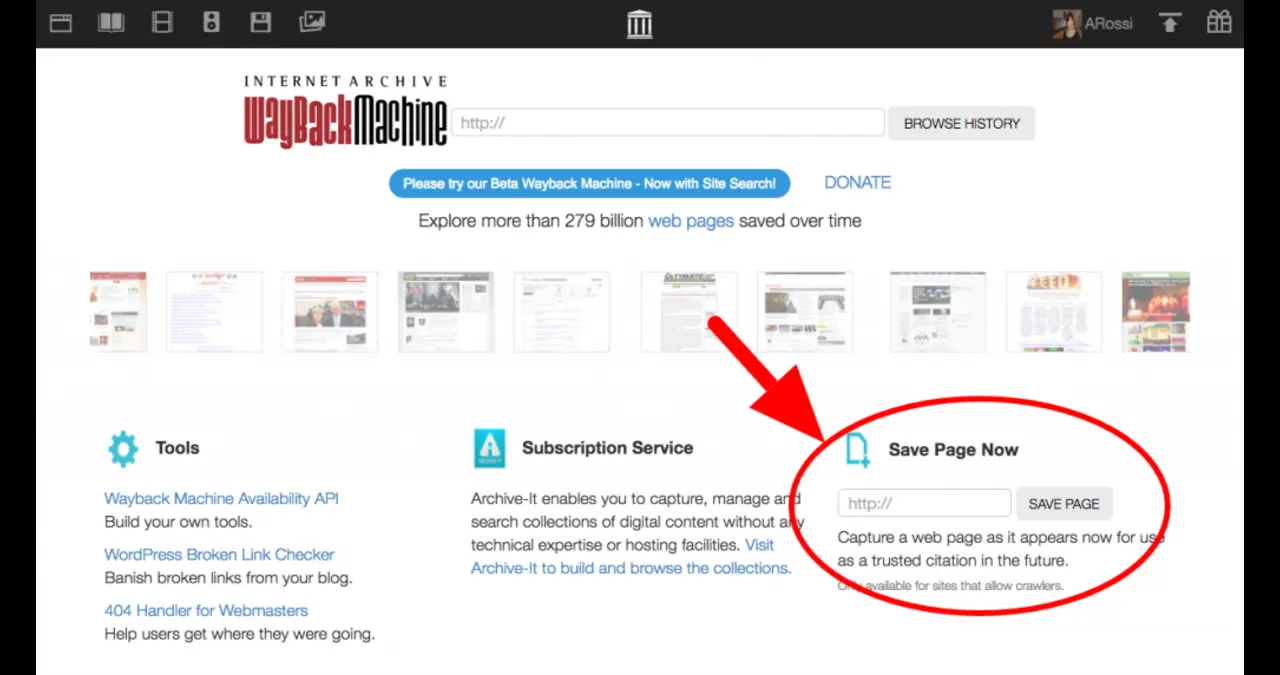
The Wayback Machine is a digital archive that lets users view previously captured versions of websites. It is operated by the Internet Archive, a nonprofit organization dedicated to preserving digital and cultural materials. Instead of showing only the current version of a website, the Wayback Machine can show snapshots captured at different points in the site’s history.
When you enter a website address into the Wayback Machine, you may find a timeline or calendar containing available captures. Selecting an archived capture can open an older version of the page. Depending on how the page was archived, you may be able to navigate through different sections of the historical website.
The archive does not contain a perfect copy of every website ever published. Some pages may have missing images, broken links, incomplete scripts, or unavailable resources. Even with those limitations, the Wayback Machine remains an important resource for examining how websites and online information have changed over time.
How the Wayback Machine Works
The Wayback Machine collects archived web pages through automated crawling, user submissions, and other preservation activities. When a webpage is captured, information about that page can be stored so that users can access an archived representation later.
A web crawler can discover pages by following links across websites. When a page is captured, its available resources may also be archived. However, modern websites can rely heavily on JavaScript, external services, dynamic databases, and other technologies that make complete archival preservation difficult.
This means an archived page may not behave exactly like the original website. A simple article may appear almost unchanged, while an interactive application might only partially function. The quality of an archived capture depends on what was successfully collected when the page was preserved.
Why the Wayback Machine Is Important
The modern internet changes extremely quickly. A website that exists today might be redesigned tomorrow, while an important article could be edited or removed later. The Wayback Machine helps create a historical record of this changing environment.
For researchers, archived pages can provide useful evidence about how information was presented at a particular time. Journalists may use archived websites when investigating historical claims, while academics can examine how organizations, publications, and online communities evolved.
The Wayback Machine can also be useful for everyday internet users. Someone might remember an old website, product page, article, or online project but discover that the original page has disappeared. Searching its archived history can sometimes reveal the information that is no longer available on the live web.
How to Search the Wayback Machine
Using the Wayback Machine is generally straightforward. Start by entering the website address you want to investigate. The archive will show whether it has captured versions of that address.
If captures are available, you can browse the historical record and select an archived page. Older captures can sometimes reveal previous designs, articles, navigation menus, product information, contact details, or other publicly available material.
Searching works best when you use the exact web address you are interested in. If the specific page does not appear, searching the main domain can sometimes reveal related archived pages. You can then explore links within the archived website to locate other historical content.
Exploring Old Website Designs
One of the most enjoyable uses of the Wayback Machine is discovering how websites looked in the past. Popular websites often go through many redesigns as technology and user expectations change.
An older website may have a completely different layout, typography, navigation system, logo, or color scheme compared with its current version. Looking at these changes can provide an interesting view of how web design has evolved.
Designers can also use the Wayback Machine as a source of inspiration and research. Examining previous versions of websites can help explain why certain layouts changed and how organizations adapted their online presence over time.
The Wayback Machine for Research
Researchers can use the Wayback Machine to investigate historical online information. This can be particularly useful when a source has changed since it was originally published.
For example, a researcher studying an organization may want to understand how its website described its services in the past. An archived capture can provide context that is not visible on the current website.
However, archived information should still be evaluated carefully. An archived webpage shows what was captured, but it does not automatically establish that every statement on the page was accurate. Researchers should consider the source, date, context, and reliability of the original material.
The Wayback Machine for Journalists
Journalists often work with information that changes quickly. A company website might remove a statement, replace an announcement, or redesign an important page. The Wayback Machine can sometimes help journalists locate earlier versions of publicly accessible information.
Archived pages can also provide historical context when reporting on organizations, products, public statements, and online events. Instead of relying solely on someone’s recollection of what a website previously said, journalists may be able to inspect an archived version.
It is still important to verify important claims through multiple sources. An archived webpage should be treated as one piece of evidence rather than automatically being considered the complete story.
The Wayback Machine for SEO Professionals
The Wayback Machine can also be useful for search engine optimization professionals. Website owners frequently change URLs, content structures, navigation systems, and page templates. Historical captures can help SEO specialists understand what existed before a redesign.
For example, an SEO professional might investigate an old version of a website to understand whether an important page previously existed. Archived captures can also help identify older content structures, historical branding, and previous navigation patterns.
This historical information can be especially useful during website migrations. If traffic or visibility changes after a redesign, reviewing archived versions can help provide context about what changed. The archive does not provide search engine ranking data by itself, but it can preserve useful information about historical website content.
Finding Deleted or Changed Content
One of the most common reasons people visit the Wayback Machine is to look for content that has disappeared. A page may have been deleted from the live website while an older capture remains available.
This can be useful when someone needs to revisit an old article, product description, announcement, or webpage. However, availability is not guaranteed. A page may never have been captured, or its archived version may be incomplete.
The Wayback Machine should therefore be viewed as a historical archive rather than a guaranteed backup service. If something important needs to be preserved, relying exclusively on the archive may not be appropriate.
Understanding Archived Links
Archived websites can contain links that behave differently from links on a live website. When you open a link inside an archived page, the Wayback Machine may attempt to locate an archived version of the destination.
If that destination was captured, you may be able to continue browsing the historical website. If it was not captured, the link may lead to an unavailable page or another version of the resource.
This is one reason why exploring an archived website can feel different from visiting the original site. The archive reconstructs available historical material rather than recreating the entire internet exactly as it existed.
Why Some Pages Do Not Appear
Not every webpage is available through the Wayback Machine. There are several possible reasons for this.
A crawler may never have discovered the page, the page may have been difficult to archive, or technical restrictions may have prevented successful collection. Dynamic content can also be challenging because some information is generated only after a user interacts with the website.
In some cases, an archived page may exist but appear incomplete. Images, videos, scripts, fonts, forms, or other external resources may not load correctly. This does not necessarily mean the archive is malfunctioning; it can reflect limitations in preserving complex modern websites.
The Wayback Machine and Website Owners
Website owners should understand that publishing information publicly does not necessarily mean the page will remain under their control forever. Archived copies may exist even after the live version has changed.
For businesses, this can be an important consideration when updating websites. Historical versions can reveal older branding, product information, policies, marketing language, and other public material.
Website owners should also understand the archive’s policies and preservation mechanisms. If there are concerns about archived material, the appropriate process should be investigated directly through the Internet Archive rather than assuming that removing a live page automatically removes historical captures.
Using the Wayback Machine for Competitor Research
The Wayback Machine can provide historical context for competitor research. Businesses can examine how a competitor’s public website has evolved, including changes to navigation, messaging, service descriptions, and branding.
This type of research is most useful when it focuses on publicly available information and historical development rather than attempting to access private or restricted material.
Looking at several historical captures can reveal whether a company has gradually changed its positioning or completely redesigned its online presence. The findings can help businesses understand broader changes in their market without relying only on the current appearance of competing websites.
The Wayback Machine for Website Recovery
Sometimes a website owner loses access to old content after a redesign, migration, hosting problem, or accidental deletion. The Wayback Machine may contain copies of some publicly accessible pages.
Archived material can sometimes help identify old text, page structures, images, URLs, and other information. It may not provide everything needed to rebuild a website, but it can serve as a useful reference.
Recovery should therefore be approached carefully. An archived webpage is not necessarily equivalent to a complete website backup, particularly when the original site relied on databases, user accounts, dynamic applications, or external services.
Limitations of the Wayback Machine
The Wayback Machine is powerful, but it has limitations. Its archive is not a perfect historical copy of the web. Some pages are missing, some captures are incomplete, and certain interactive features may not work.
Another important limitation is timing. A website may have changed shortly before or after a capture. If you need to understand exactly when something changed, multiple captures may need to be examined.
Archived content can also lack context. A webpage alone may not explain why an organization changed its messaging or why a particular page disappeared. Additional sources may be necessary for a complete understanding.
Is the Wayback Machine Reliable?
The Wayback Machine can be a valuable source for historical web research, but reliability depends on what you are trying to establish. It can show that a particular archived representation of a webpage existed, assuming the capture is authentic and accessible.
That does not automatically prove that every statement on the archived page was true. The archive preserves information; it does not independently verify all claims made by website publishers.
For important research, the best approach is to compare archived material with other reliable sources. This creates a stronger understanding of what happened and reduces the risk of interpreting an incomplete capture as the full historical record.
Wayback Machine and Digital Preservation
Digital preservation is increasingly important because online information can disappear very easily. Printed books and physical documents can remain accessible for decades, but websites can vanish when hosting expires, organizations close, or domains are abandoned.
The Wayback Machine contributes to digital preservation by keeping historical representations of publicly accessible web content. This helps researchers and future generations study how the internet developed.
Preserving the web is also important for understanding cultural history. Websites reflect how people communicate, shop, learn, publish news, build communities, and share ideas. Historical web archives can therefore become valuable records of everyday digital life.
Tips for Getting Better Results
When using the Wayback Machine, start with the exact page address whenever possible. If the page is unavailable, try the main domain or a related URL. Different versions of the same content may have been archived under different addresses.
It is also helpful to inspect several captures rather than relying on a single snapshot. A single capture can provide only a limited view, while multiple captures can reveal how a page changed.
If images or other resources are missing, try opening the archived page through different captures. Another capture may have preserved more of the original content.
The Future of Web Archives
The web continues to become more complicated. Modern websites increasingly rely on interactive applications, streaming services, client-side rendering, and third-party platforms. These technologies create new challenges for digital preservation.
Despite those challenges, the need for web archives remains strong. As more of human communication moves online, preserving historical digital information becomes increasingly important.
The Wayback Machine is likely to remain valuable because it provides something that ordinary browsing cannot: a way to look backward at the web. It helps turn an constantly changing online environment into a historical record that can be explored.
Final Thoughts on the Wayback Machine
The Wayback Machine is much more than a tool for looking at old website designs. It is a valuable resource for exploring the history of online information, researching previous versions of webpages, understanding website changes, and investigating digital history.
Whether you are a student researching an old source, a journalist checking historical web content, an SEO professional examining a previous website structure, or simply someone curious about an old webpage, the Wayback Machine can provide useful context.
Its limitations are worth remembering. Not every page has been archived, captures can be incomplete, and historical content should be interpreted carefully. Even so, the Wayback Machine remains one of the most interesting ways to explore the changing history of the internet and discover information that may no longer be visible on today’s web.
Conclusion
The Wayback Machine is a valuable resource for exploring the history of the internet and discovering how websites have changed over time. From researching older webpages to checking previous website designs, it gives users an opportunity to explore online information that may no longer be available on the live web.
Whether you are a researcher, journalist, SEO professional, website owner, student, or simply curious about an old website, the Wayback Machine can provide useful historical context. While it does not archive every webpage perfectly and some captures may be incomplete, it remains an important tool for digital preservation and web research.
FAQs
What is the Wayback Machine?
The Wayback Machine is an online digital archive operated by the Internet Archive. It allows users to view available archived versions of websites and explore how webpages appeared in the past.
Can I use the Wayback Machine to find deleted webpages?
Yes, you can sometimes find deleted webpages through the Wayback Machine if the page was captured before it disappeared. However, not every webpage has an archived version, and some captures may be incomplete.
Is everything on the Wayback Machine available?
No. The Wayback Machine does not contain a complete copy of the entire internet. Some websites or pages may have no captures, while others may have missing images, files, scripts, or interactive features.
Can the Wayback Machine help with SEO research?
Yes. SEO professionals can use the Wayback Machine to examine historical website structures, content, URLs, navigation, branding, and other publicly visible changes. This can be particularly useful when investigating website redesigns or content changes.
Is the Wayback Machine free to use?
The Wayback Machine is generally available to the public for searching and viewing archived webpages. Users can visit the service online and search for websites they want to investigate.
YOU MAY READ ALSO

Technology changes so quickly that keeping up can feel like a full-time job. New software appears, operating systems evolve, cloud platforms become more complicated, and artificial intelligence continues to reshape the way people work. This is where TurboGeek fits into the modern technology landscape. It is designed around practical technical information rather than simply discussing technology from a distance.
TurboGeek focuses on useful guides, troubleshooting information, technical explanations, and practical workflows. Instead of making every topic sound complicated, the platform aims to explain technology in a way that readers can actually use. Its coverage includes areas such as Linux, Windows, AWS, cloud computing, DevOps, security, and artificial intelligence.
For developers, system administrators, IT professionals, technical learners, and curious users, this approach can make technical research much easier. When someone is dealing with a configuration problem or trying to understand a new tool, they often need a direct explanation rather than a long introduction filled with unnecessary jargon.
That practical philosophy is one of the main reasons TurboGeek stands out as a technology-focused publication. Its content is built around real problems, useful solutions, and explanations that are intended to help readers move forward.
What Is TurboGeek?
TurboGeek is an independent technical publication focused on practical technology guidance. According to its own description, the platform covers Linux, Windows Server, AWS, automation, DevOps, cloud infrastructure, and modern AI-assisted development workflows. The publication describes its editorial approach as practical, readable, and focused on reducing unnecessary hype.
This makes TurboGeek different from a general technology news website. Rather than trying to cover every technology story happening around the world, it concentrates on subjects that can be useful to people working with computers, servers, development environments, cloud platforms, and modern software tools.
The content is particularly useful when a reader has a specific technical question. Someone might be trying to troubleshoot a Linux system, understand an AWS configuration, work with Windows tools, or set up an AI-assisted coding environment. A practical guide can be more valuable in that situation than a general news article.
The site also separates its material into different content areas. This helps readers identify whether they are looking for an AI guide, Linux troubleshooting article, Windows tutorial, cloud information, or DevOps material.
Why TurboGeek Focuses on Practical Technology
Technology information is everywhere, but useful technology information is harder to find. Search results often contain articles that repeat the same basic explanation without providing enough detail to solve the actual problem.
TurboGeek takes a more practical approach. Its stated editorial philosophy emphasizes articles that begin with real operational problems, repeated support tasks, or tools that deserve clearer explanations. This means the content is intended to be useful while someone is actually working rather than simply reading for entertainment.
This approach matters because technical users usually have a goal. They may want to fix something, configure something, understand an error, compare approaches, or learn a workflow. A useful article should therefore help them reach that goal without creating additional confusion.
Practical technology writing also needs context. A command or configuration option may work in one environment but cause problems in another. Good technical content explains those differences instead of presenting every solution as universally applicable.
TurboGeek and Linux Guides

Linux is one of the important areas covered by TurboGeek. Linux users often have to deal with command-line tools, system services, permissions, boot problems, packages, storage, networking, and server configuration.
For beginners, Linux can initially feel intimidating. The command line has a completely different style from the graphical interfaces many people are familiar with. A practical guide can make that learning curve much easier by explaining what a command does and why someone would use it.
For experienced administrators, the value is different. They may already understand Linux but need a quick reminder about a particular configuration, troubleshooting technique, or recovery procedure. A focused technical article can save time by putting the relevant information in one place.
The publication also covers Linux troubleshooting topics, including boot problems and system recovery. Its featured material includes guidance around GRUB rescue, initramfs, BusyBox, and kernel panic situations.
Windows and Server Administration
Linux is not the only operating system discussed by TurboGeek. Windows and Windows Server are also part of its technical coverage.
Windows remains deeply connected to business environments, development workflows, networking, and system administration. Users may need help with Safe Mode, PowerShell, Active Directory, system recovery, or configuration issues.
The advantage of practical Windows content is that it can connect everyday computer use with professional administration. Someone who starts with a simple troubleshooting question can gradually develop a better understanding of how Windows systems actually work.
TurboGeek also presents Windows content alongside its broader AI and development coverage. This is useful because modern technical environments are rarely isolated. A developer might use Windows as the main operating system while relying on Linux through WSL, cloud services through AWS, and AI coding tools within the same workflow.
AWS and Cloud Computing
Cloud computing has transformed the way applications and infrastructure are built. AWS provides a huge collection of services, but that flexibility can also make the platform difficult for newcomers.
TurboGeek includes AWS and cloud guidance aimed at practical use. Instead of treating cloud computing as an abstract concept, its material focuses on situations that technical users may encounter while working with infrastructure, identity, command-line tools, and development environments.
One important benefit of practical cloud education is learning how different components interact. A cloud service rarely operates completely alone. Permissions, credentials, command-line tools, networking, automation, and deployment processes can all affect the result.
The publication also covers AWS command-line workflows and authentication issues. Recent content has addressed problems such as AWS CLI Single Sign-On sessions, expired sessions, and incorrect profiles.
This kind of content can be particularly helpful because authentication problems are often confusing. A user may think a service is broken when the actual issue is an expired session or an incorrect configuration.
DevOps and Automation
DevOps is another major area where TurboGeek provides practical material. DevOps brings development and operations closer together through automation, repeatable processes, infrastructure management, testing, and deployment.
For someone new to DevOps, the terminology alone can be overwhelming. Containers, infrastructure as code, CI pipelines, security scanning, deployment automation, and observability all introduce different concepts.
Practical guides can make these topics easier by connecting individual tools to real workflows. Instead of learning a tool simply because it is popular, readers can understand where it fits and what problem it is designed to solve.
The publication’s DevOps coverage includes subjects such as CI/CD, containers, infrastructure as code, Kubernetes-related tooling, software bill of materials workflows, and operational practices.
This practical perspective is important because DevOps is less about memorizing technology names and more about understanding how systems are built, deployed, monitored, secured, and maintained.
TurboGeek and Artificial Intelligence
Artificial intelligence has become one of the most important subjects in modern technology, and TurboGeek has expanded its coverage of AI-assisted development and IT workflows.
The platform discusses tools and workflows involving technologies such as Claude Code, Cursor, Codex, and other AI-assisted development systems. Its AI material focuses on how these technologies can actually be used by developers and IT professionals.
This practical approach is especially relevant because AI tools are changing quickly. Knowing that a tool exists is not enough. Users need to understand how it fits into development, what permissions it requires, how it interacts with local environments, and where human oversight remains important.
AI-assisted development can also create new security and operational questions. An AI coding assistant may interact with files, terminals, repositories, or cloud environments. That means users need to think about identity, permissions, secrets, and governance rather than focusing only on productivity.
The AI section of TurboGeek therefore fits naturally with its wider focus on practical IT operations.
Who Can Benefit From TurboGeek?
TurboGeek is primarily useful for people who want practical technology information without unnecessary filler. This includes developers, system administrators, IT professionals, students, technical hobbyists, cloud users, and people who are learning modern computing skills.
Beginners can use the site to build foundational knowledge. A well-explained guide can introduce unfamiliar concepts without assuming that the reader already understands every technical term.
Experienced users can approach the content differently. They may use an article as a quick reference while troubleshooting a problem or investigating an unfamiliar technology.
There is also value for professionals who work across multiple technology areas. Modern IT roles increasingly require knowledge of operating systems, cloud platforms, automation, security, and AI tools. A publication that connects these areas can provide useful context.
The Value of Step-by-Step Technical Guides
One of the strongest aspects of practical technology writing is the step-by-step format. When someone is troubleshooting a technical problem, they usually need to know what to check first, what result to expect, and what to do if the expected result does not appear.
TurboGeek emphasizes walkthroughs, working notes, commands, troubleshooting information, and explicit next steps.
This structure makes technical articles easier to follow. Instead of presenting a wall of theory, a good guide can break the problem into logical stages.
Step-by-step guidance is also useful for learning. Readers do not simply copy a solution; they can gradually understand the relationship between the commands, settings, and results.
That distinction is important. The best technical guides do not just tell users what to type. They help users understand why a particular action matters.
How TurboGeek Approaches Technical Accuracy
Technical accuracy is especially important when an article includes commands or configuration instructions. A small mistake can cause confusion or, in some environments, create a serious problem.
The editorial description of TurboGeek emphasizes specific, testable content and practical examples. Articles may include version context, commands, troubleshooting notes, and next steps when those details are useful.
This is a sensible approach to technical publishing because software changes over time. A solution that worked previously may behave differently after an update. Readers therefore benefit from knowing the environment in which a particular recommendation applies.
The publication also encourages corrections and feedback. Its comments information indicates that readers can provide corrections, identify problems, and suggest future topics.
TurboGeek for People Learning Technology
Learning technology does not have to mean completing a formal course. Many people learn by solving real problems.
A broken configuration can become a lesson about networking. A failed deployment can teach something about permissions. A Linux boot issue can introduce the relationship between bootloaders, kernels, and system initialization.
TurboGeek fits well with this style of learning because its articles are built around practical scenarios. Readers can start with a specific problem and gradually develop broader technical knowledge.
This approach is particularly useful for self-taught developers and IT learners. Instead of trying to understand an entire technology ecosystem at once, they can learn one useful concept at a time.
Why Clear Technical Writing Matters
Technical knowledge is only valuable when people can understand and apply it. Excessive jargon can make even a simple solution seem complicated.
TurboGeek aims to keep its writing direct and readable while maintaining technical depth. That balance is important. A guide should not remove necessary technical detail simply to make the article easier, but it also should not make readers decode unnecessary terminology.
Clear writing is especially important in troubleshooting situations. When something is broken, readers are already dealing with uncertainty. A confusing explanation can make the problem feel worse.
A good technical article creates a path from problem to understanding to solution. That is the kind of structure that makes technology content genuinely useful.
TurboGeek and the Modern IT Workflow
Modern IT work is becoming increasingly interconnected. A developer may write code on Windows, use Linux tools through WSL, manage infrastructure through AWS, automate tasks through scripts, and use AI assistants during development.
This is one reason the broad technical focus of TurboGeek is relevant. Its coverage connects operating systems, cloud infrastructure, DevOps, security, and AI rather than treating them as completely separate worlds.
The modern technology professional often needs exactly this kind of cross-platform understanding. Knowing one tool is useful, but understanding how multiple tools interact can be even more valuable.
As technology continues to evolve, this interconnected approach will become increasingly important. Tools will change, but the underlying need to understand systems, workflows, permissions, reliability, and security will remain.
What Makes TurboGeek Different From General Tech News?
General technology news is useful for discovering what is happening in the industry. However, news coverage and practical technical guidance serve different purposes.
A news article might announce a new software release or technology trend. A practical guide can explain what that change means for someone who actually uses the software.
TurboGeek focuses more heavily on the second type of information. Its own description makes clear that it is not trying to be a generic technology news site. Instead, it concentrates on practical Linux, Windows, AWS, cloud, DevOps, and AI guidance.
That distinction gives the publication a clear identity. Readers looking for hands-on technical information can approach it differently from a conventional news website.
How To Get More Value From TurboGeek
The best way to use TurboGeek is to approach its content with a specific goal. If you are troubleshooting something, search for the exact problem rather than browsing randomly.
When reading a technical guide, pay attention to prerequisites, environment details, commands, warnings, and expected results. These details can be just as important as the main solution.
It is also worth reading beyond the immediate fix. A useful article may explain why a problem occurred, which can help prevent the same issue later.
For learners, keeping personal notes can make the experience even more valuable. Save useful commands, explanations, configuration ideas, and troubleshooting patterns that you are likely to need again.
The Growing Importance of Practical AI Guides
AI is moving from experimental technology into everyday development and IT workflows. That creates a growing need for practical explanations.
TurboGeek is well positioned around this type of content because its AI coverage is connected to real development and operational work. The site discusses AI-assisted development, agentic workflows, permissions, security, and the relationship between AI tools and existing technical environments.
The important question is no longer simply whether AI can generate code or automate tasks. Users also need to understand how to use AI responsibly inside real systems.
That includes managing access, protecting sensitive information, reviewing generated work, and understanding what an AI tool can and cannot safely do. Practical technical publications can help bridge the gap between exciting AI capabilities and responsible everyday use.
Final Thoughts on TurboGeek
TurboGeek represents a practical style of technology publishing that focuses on solving real problems. Its coverage spans Linux, Windows, AWS, cloud computing, DevOps, security, automation, and artificial intelligence, giving readers access to information across several connected areas of modern IT.
What makes this approach useful is its emphasis on application. Technology becomes much easier to understand when explanations are connected to actual tasks, troubleshooting situations, workflows, and decisions.
For beginners, TurboGeek can provide approachable technical guidance. For experienced users, it can serve as a convenient reference when researching a problem or unfamiliar tool. For professionals, its cross-topic coverage reflects the increasingly connected nature of modern IT environments.
As technology continues to change, practical knowledge will remain valuable. New platforms, programming tools, cloud services, and AI systems will continue to appear, but people will still need clear explanations that help them understand what those technologies do and how to use them effectively.
That is ultimately where TurboGeek fits. Rather than treating technology as something that should simply be watched from the sidelines, it presents technical knowledge as something readers can explore, test, understand, and apply in their own workflows.
Conclusion
TurboGeek is a practical technology resource for readers who want useful information without unnecessary complexity. Its focus on Linux, Windows, cloud computing, AWS, DevOps, automation, security, and artificial intelligence makes it relevant to both beginners and experienced technology users.
What makes TurboGeek particularly useful is its practical approach to technical topics. Instead of focusing only on technology news or trends, TurboGeek explores real problems, useful workflows, troubleshooting situations, and tools that people can apply in everyday technical work. This makes the platform a helpful resource for anyone trying to understand modern technology more clearly.
As technology continues to evolve, having reliable and understandable technical resources becomes increasingly important. TurboGeek provides readers with a place to explore different areas of computing while developing practical knowledge that can be applied to real projects and technical challenges.
FAQs About TurboGeek
What is TurboGeek?
TurboGeek is a technology-focused publication that provides practical guides and information about areas such as Linux, Windows, AWS, cloud computing, DevOps, automation, security, and artificial intelligence. Its content is designed to help readers understand and work with modern technology.
What topics does TurboGeek cover?
TurboGeek covers a broad range of technical subjects, including operating systems, cloud platforms, DevOps, infrastructure, automation, security, artificial intelligence, and software development. The content generally focuses on practical problems and useful technical workflows.
Is TurboGeek useful for beginners?
Yes, TurboGeek can be useful for beginners because many of its articles explain technical concepts through practical examples and step-by-step guidance. Readers can start with a specific problem and gradually build their understanding of the technology involved.
Can experienced IT professionals use TurboGeek?
Yes. Experienced developers, system administrators, and IT professionals can use TurboGeek as a reference when troubleshooting systems, exploring unfamiliar tools, or researching technical workflows. Its coverage across different technology areas can also be useful for professionals working with multiple platforms.
Why is practical technology content important?
Practical technology content helps readers move beyond basic definitions and understand how technology works in real situations. Guides that explain troubleshooting processes, configuration methods, tools, and workflows can make it easier for readers to solve problems and build useful technical skills.
YOU MAY READ ALSO

The technology world is full of new software names, platforms, and digital tools that suddenly begin appearing in search results. One name that has attracted growing online attention is software name MeetShaxs. People searching for this term are usually trying to understand what MeetShaxs actually is, what it does, whether it is useful, and whether it can be trusted.
The interesting thing about software name MeetShaxs is that information about it is not completely consistent across the internet. Some websites describe MeetShaxs as a collaboration and productivity platform that brings communication, meetings, project management, file sharing, and artificial intelligence features into one workspace. Other sources connect the name with software optimization and performance improvement, while a MeetShaxs-branded website presents a more specialized idea focused on product and brand naming meetings.
That difference matters. Rather than assuming every feature mentioned online belongs to one established application, it is smarter to look at what is actually being reported and what remains uncertain. This article explains software name MeetShaxs in simple language, covering its possible purpose, reported features, potential benefits, security considerations, business uses, limitations, and the things users should check before adopting unfamiliar software.
What Is Software Name MeetShaxs?
Software name MeetShaxs is an emerging software-related term that appears across several technology-focused websites. The most common description presents it as a modern collaboration and productivity environment designed to help people communicate, organize work, manage projects, and keep information in one place.
The basic idea behind this version of MeetShaxs is familiar. Modern workers often depend on separate applications for video meetings, team messaging, project management, file storage, notes, and workflow coordination. A platform that combines these activities could potentially reduce the amount of time people spend moving between different applications.
However, there is an important qualification. Public descriptions of software name MeetShaxs do not consistently identify one clearly documented product. Some sources describe a broad workplace platform, while another MeetShaxs-branded source focuses on product-naming meetings, including brainstorming, voting, linguistic analysis, and availability checks.
Because of this, readers should not automatically treat every online claim as an official specification. At the moment, it is more accurate to describe software name MeetShaxs as an emerging and inconsistently documented software name rather than a universally established product with one confirmed feature set.
Why Is Software Name MeetShaxs Getting Attention?

There are several reasons people may be searching for software name MeetShaxs. One obvious reason is curiosity. When an unfamiliar software name starts appearing in articles, technology blogs, search results, or workplace discussions, people naturally want to know what it means.
The name is also connected with an area that is already extremely popular: workplace productivity. Businesses are constantly looking for ways to reduce unnecessary software subscriptions and simplify communication. The idea of combining meetings, messaging, project organization, documents, automation, and intelligent assistance into one environment therefore sounds attractive.
Another reason is the growing popularity of artificial intelligence in workplace software. Modern teams increasingly expect digital platforms to do more than simply store information. They want tools that can summarize discussions, organize information, identify action items, and reduce repetitive administrative work.
Some online descriptions associate MeetShaxs with these kinds of productivity features. However, these descriptions should be treated as reported capabilities rather than independently verified specifications until official product documentation confirms them.
How Software Name MeetShaxs Is Reported to Work
Under the collaboration-focused description, software name MeetShaxs is intended to provide a centralized workspace. Instead of opening separate applications for every part of a project, users could potentially communicate with colleagues, manage tasks, organize documents, and coordinate projects from the same environment.
A typical workflow would begin with a workspace where team members can access relevant projects and conversations. A manager might create a project, assign responsibilities, share documents, and communicate with employees without constantly switching between unrelated applications.
This type of centralized workflow can be especially useful for distributed teams. Remote employees often deal with information spread across email, messaging applications, cloud storage, calendars, and project-management systems. A unified environment can potentially make it easier to understand where information belongs and who is responsible for a particular task.
Still, the exact workflow of software name MeetShaxs depends on which product or website a person is referring to. That is one of the main reasons users should verify the specific MeetShaxs service before creating an account or providing business information.
Reported Features of Software Name MeetShaxs
The collaboration-focused descriptions of software name MeetShaxs commonly mention communication, meetings, project organization, file sharing, workflow management, and artificial intelligence. These capabilities would place MeetShaxs within the broader category of all-in-one productivity software.
Communication tools are particularly important in this type of platform. Teams need quick conversations for everyday questions, project discussions, updates, and decision-making. Keeping those conversations connected to projects could make information easier to find later.
Meeting functionality is another commonly reported part of software name MeetShaxs. Online meetings have become a normal part of professional life, particularly for remote and hybrid teams. If meetings, discussions, tasks, and documents can be connected within one workspace, teams may spend less time reconstructing what happened after a meeting.
Project and task management are also frequently associated with the platform. These functions can help teams break larger objectives into manageable work, assign responsibilities, monitor progress, and keep deadlines visible.
Artificial Intelligence and Productivity
Artificial intelligence is now an important part of many modern workplace platforms, and software name MeetShaxs is also described online in connection with AI-assisted productivity.
AI can be useful in workplace software because employees often spend significant time on administrative tasks rather than the actual work they were hired to perform. Meeting transcription, summaries, action-item extraction, document organization, and information retrieval are examples of areas where automation can potentially save time.
For example, imagine a team finishing a long online meeting. Instead of asking one employee to manually write every important point, an AI-assisted system could potentially create a summary and identify important follow-up actions. The team could then review the generated information and correct anything that was misunderstood.
That does not mean users should blindly trust automated output. Artificial intelligence can misunderstand context, names, technical terminology, or decisions. Any AI feature associated with software name MeetShaxs should therefore be treated as an assistant rather than an unquestionable source of truth.
Product Naming and the Other MeetShaxs Description
One of the most interesting aspects of software name MeetShaxs is that another MeetShaxs-branded source describes a much more specialized use case.
According to that description, MeetShaxs can be associated with product and brand naming meetings. The concept involves generating possible names, evaluating ideas, collecting votes, checking availability, examining linguistic considerations, and documenting the final decision.
This is very different from the idea of a general collaboration platform. Instead of helping a team manage every aspect of daily work, the naming-focused concept is designed around a specific business problem: choosing a suitable name for a product, company, service, or brand.
That distinction is important for anyone researching software name MeetShaxs. It shows why simply reading several articles and combining all their feature lists can create a misleading picture. Different websites may be discussing different implementations, interpretations, or uses of the same name.
Benefits of Software Name MeetShaxs
The biggest potential benefit of software name MeetShaxs, under its collaboration-platform description, is centralization. Having communication, projects, files, and workflow information in one environment can reduce unnecessary switching between applications.
Centralization can also make information easier to organize. When a project depends on messages stored in one application, documents stored somewhere else, and tasks tracked in another system, employees may waste time looking for information. A unified workspace can potentially reduce that friction.
Another potential benefit is better visibility. Managers can have a clearer picture of ongoing work when tasks, conversations, and project information are connected. Team members may also find it easier to understand what they need to complete and where they should find supporting information.
For smaller organizations, consolidation can also be attractive because maintaining many separate software subscriptions can become expensive and complicated. An integrated platform could potentially reduce the number of tools a company needs to manage.
Who Could Use Software Name MeetShaxs?
Software name MeetShaxs, if used as the collaboration platform described by several online sources, could potentially appeal to remote teams, startups, freelancers, small businesses, educational groups, and organizations that depend heavily on digital communication.
Remote teams are an obvious audience because their work depends on online collaboration. When employees are not physically sitting together, a reliable digital workspace becomes especially important.
Startups could also be interested because new companies often want simple systems that can grow alongside their operations. Instead of introducing many disconnected tools from the beginning, a unified platform can appear easier to manage.
Freelancers and small teams may also appreciate centralized project information. A freelancer working with multiple clients could potentially use organized workspaces to separate conversations, files, tasks, and project information.
However, the suitability of software name MeetShaxs depends on its actual capabilities, pricing, support, security standards, and reliability. Those factors should be verified before making a business decision.
Security and Privacy Considerations
Security should be one of the first things to investigate before using unfamiliar software. A modern interface and attractive feature list are not enough when an application will handle business documents, customer information, internal conversations, or confidential project details.
When evaluating software name MeetShaxs, users should look for clear privacy documentation, terms of service, information about data storage, account security options, authentication controls, and details about how user information is handled.
Some online articles make strong security claims about MeetShaxs, but those claims should not automatically be accepted without checking the underlying evidence. One recent discussion specifically points out that certain reported certifications should be independently verified rather than assumed simply because an article mentions them.
Businesses should also determine whether administrators can control user permissions, remove accounts, export important information, and monitor access. These practical controls are often more important than marketing language.
Is Software Name MeetShaxs Safe to Use?
It is difficult to give a simple yes-or-no answer because publicly available information about software name MeetShaxs is not sufficiently consistent to establish one universally verified product.
That does not automatically mean the software is unsafe. It simply means users should perform reasonable checks before trusting an unfamiliar service with important information.
A sensible approach is to identify the exact official website, confirm who operates the service, review its privacy policy, check its documentation, investigate its support channels, and understand what data it collects.
Users should also avoid downloading unknown software from random websites simply because they contain the MeetShaxs name. If an application is presented as an official product, the source should be verified before installation.
Pricing and Availability
Pricing is another area where caution is appropriate. Some online discussions mention software name MeetShaxs as though it were a conventional commercial SaaS platform, but publicly available information does not provide a consistently verified pricing structure across the different descriptions.
This means it would be risky to state a fixed subscription price without confirming it directly from the specific provider.
If you are considering the software for professional use, look for an official pricing page or a clearly documented commercial agreement. Pay attention to whether pricing is based on users, storage, features, usage, or business requirements.
A free trial can be useful when available, but users should still review the terms before entering payment information. A trial should also be used to test the features that actually matter to your workflow rather than simply exploring the interface.
Software Name MeetShaxs for Businesses
Businesses should evaluate software based on real operational needs rather than popularity. A tool can have an impressive feature list and still be a poor fit if it does not integrate well with existing systems.
For software name MeetShaxs, companies should first identify the problem they want to solve. If the goal is to reduce application switching, the business should examine whether the platform genuinely covers the required communication, project, document, and workflow functions.
Businesses should also consider employee adoption. Even a powerful system can fail if employees find it confusing or inconvenient. The best productivity software is generally the software that people can understand and use consistently.
A small pilot can therefore be more useful than immediately moving an entire organization. A limited group can test communication, project management, document handling, security controls, and support responsiveness before a wider rollout.
Software Name MeetShaxs and Remote Work
Remote work has created a strong demand for tools that keep people connected. Employees need more than video calls. They also need a reliable way to exchange information, track responsibilities, manage projects, and preserve important decisions.
This is where the collaboration-focused idea behind software name MeetShaxs becomes interesting. A unified workspace could potentially reduce the fragmentation that often occurs when remote teams depend on many separate applications.
However, software alone cannot solve every remote-work problem. Teams still need clear communication practices, well-defined responsibilities, sensible meeting habits, and good documentation.
The best platform is therefore one that supports a strong workflow rather than attempting to replace good management.
Limitations and Concerns
The biggest limitation surrounding software name MeetShaxs is not necessarily a technical feature. It is the lack of consistent public documentation.
Different websites describe MeetShaxs in noticeably different ways. Some describe it as an all-in-one collaboration platform, another describes a product-naming workflow, while other material connects the name with software optimization and broader technology topics.
That makes independent verification particularly important.
Another concern is the possibility of confusing third-party articles with official product documentation. Search engines can display many pages repeating similar descriptions, but repetition does not necessarily mean independent verification.
Users should therefore avoid assuming that a feature exists simply because several websites mention it. The safest approach is to confirm important functionality directly through official documentation or a working product environment.
How to Evaluate Software Name MeetShaxs
If you are considering software name MeetShaxs, begin by identifying exactly which website or application you encountered. Record the domain, developer name, application name, and purpose.
Next, check whether the service has clear documentation. Look for information about setup, features, privacy, security, support, data storage, and account management.
After that, test the software with non-sensitive information. Pay attention to how easy it is to create projects, communicate with team members, organize documents, and complete normal tasks.
Finally, evaluate the software against alternatives. Do not choose a platform simply because it is new or interesting. Compare its actual usefulness, reliability, security, cost, and ease of adoption with tools that are already established in your workflow.
What the Future Could Look Like
The broader concept behind software name MeetShaxs fits several major trends in technology. Businesses increasingly want fewer applications, more automation, better collaboration, and smarter ways to manage information.
Artificial intelligence is also changing expectations. Users increasingly expect software to summarize information, automate repetitive processes, and help them make sense of large amounts of data.
If MeetShaxs develops into a clearly documented and reliable platform, these trends could provide a strong opportunity. But long-term success will depend on more than having a memorable name or a large feature list.
Reliability, security, transparent documentation, customer support, usability, and consistent product development will ultimately determine whether the software becomes genuinely valuable.
Final Thoughts on Software Name MeetShaxs
Software name MeetShaxs is an interesting example of how difficult it can be to research emerging technology products online. The name appears across several websites, but those sources do not always describe the same thing.
The most common description presents MeetShaxs as a collaboration and productivity platform involving communication, meetings, project management, file sharing, workflow organization, and AI-assisted productivity. Another MeetShaxs-branded description focuses on product and brand naming workflows. Other material connects the name with software improvement and technology topics.
For that reason, the smartest approach is neither to automatically recommend nor reject software name MeetShaxs. Instead, users should verify the exact product, identify its developer, examine official documentation, review privacy and security information, and test its functionality before depending on it.
In short, software name MeetShaxs is worth researching, but it should be approached with a healthy level of caution. As more reliable information becomes available, it should become easier to determine exactly what MeetShaxs is, who operates it, what features are genuinely available, and whether it provides enough value to justify using it.
Conclusion
Software name MeetShaxs is an interesting and relatively unfamiliar software term that has attracted attention because of the different ways it is described online. It may be associated with collaboration, productivity, communication, artificial intelligence, or specialized naming workflows, depending on the source being discussed.
The most important thing for anyone researching software name MeetShaxs is to verify the exact product before using it. Check the official source, available features, privacy practices, security information, and overall reliability. Rather than trusting every claim found online, take a practical approach and test whether the software actually solves your needs.
As workplace technology continues to evolve, platforms that combine useful tools, automation, and smarter workflows may become increasingly valuable. If software name MeetShaxs continues to develop with transparency, reliability, and user-focused features, it could become more relevant to people and businesses looking for modern digital solutions.
Frequently Asked Questions
What is software name MeetShaxs?
Software name MeetShaxs is an emerging software-related name associated online with collaboration, productivity, software improvement, and product-naming workflows. Because different sources describe it differently, users should verify the exact product before relying on any particular feature claim.
Is software name MeetShaxs a collaboration platform?
Some online sources describe software name MeetShaxs as an all-in-one collaboration platform with communication, meetings, project organization, file sharing, and productivity functions. However, these capabilities should be confirmed through the specific product’s official documentation.
Does MeetShaxs use artificial intelligence?
Several online descriptions associate software name MeetShaxs with AI-assisted productivity, including tasks such as meeting summaries and workflow assistance. These claims should be treated as reported capabilities until they can be confirmed through reliable product documentation.
Is software name MeetShaxs safe?
There is not enough consistently verified public information to make a universal safety judgment about every service using the MeetShaxs name. Users should check the exact provider, privacy policy, security documentation, permissions, and data-handling practices before using it.
Should businesses use software name MeetShaxs?
Businesses can investigate software name MeetShaxs if its reported capabilities match their workflow needs. Before adoption, organizations should conduct a small trial, verify security and privacy information, evaluate support, and confirm that the exact product provides the promised features.
YOU MAY READ ALSO


 Tech4 months ago
Dark Humor Gamertags: The Ultimate Guide to Creative, Funny, and Edgy Gaming Names
- BUSINES4 months ago
Kitchen Upgrading Tips Mintpalment
- Fashion4 months ago
Thehometrotters Homerepairs: Your Complete Guide to Smarter Home Maintenance and Lasting Repairs
- FOOD3 months ago
Best Piononos de Santa Fe Near Me: A Complete Guide to Finding the Most Delicious Traditional Treat
- Fashion4 months ago
Upgrades Home Decoradtech: The Complete Guide to Smarter, Stylish, and More Functional Living Spaces
- Sports4 months ago
Aaron McClelland Gamble: Everything You Should Know About His Life, Family, and Public Attention
- Fashion4 months ago
Tin Swe Thant: A Complete Guide to Understanding the Name, Background, and Growing Interest
- Tech3 months ago
WTM Meaning in Text: Understanding the Popular Slang Term Used in Online Conversations