LIFESTYLE
Lake Xochimilco: History, Canals, Chinampas, Wildlife, and Why It Still Matters

Lake Xochimilco is one of the most fascinating surviving pieces of Mexico City’s ancient aquatic landscape. What looks today like a peaceful network of canals surrounded by gardens, boats, trees, and neighborhoods is actually part of a much older environmental and cultural story. Lake Xochimilco connects the modern city with the agricultural traditions, water-management skills, and community life of the civilizations that developed around the Valley of Mexico.
When people search for Lake Xochimilco, they are often imagining a traditional lake surrounded by natural scenery. The reality is more interesting. Much of what makes Xochimilco special is the relationship between water and human-made landscapes. Canals, chinampas, wetlands, agriculture, wildlife, and local traditions have developed together for centuries. UNESCO recognizes Xochimilco as part of the Historic Centre of Mexico City and Xochimilco World Heritage property because the area preserves an exceptional example of the historic lacustrine landscape of the Mexico City basin.
Today, Lake Xochimilco is also an important reminder of how dramatically Mexico City has changed. The enormous lake systems that once surrounded the ancient capital have largely disappeared, while Xochimilco continues to preserve a living connection to that watery past. Its canals and agricultural landscapes make the area far more than a tourist attraction. They represent history, food production, biodiversity, and an ongoing conservation challenge.
Where Is Lake Xochimilco?
Lake Xochimilco is associated with the Xochimilco area in the southern part of Mexico City, Mexico. UNESCO describes Xochimilco as lying south of the historic center and identifies its remaining lacustrine landscape as an important surviving element of the pre-Hispanic environment of the Valley of Mexico.
The landscape people experience today is dominated by canals rather than a vast open lake. These waterways pass between chinampas, vegetation, agricultural plots, ecological areas, and developed neighborhoods. The result is an unusual mixture of urban and rural scenery. One moment you can see modern Mexico City in the distance, and the next you may find yourself surrounded by quiet water, plants, birds, and traditional agricultural plots.
This unusual setting is one reason Lake Xochimilco remains so memorable. It does not feel like an ordinary city park or conventional tourist destination. The waterway landscape is closely connected to the identity of the surrounding community, and traditional activities continue alongside tourism and conservation.
The Ancient History Behind Lake Xochimilco

The story of Lake Xochimilco begins long before modern Mexico City existed. The Valley of Mexico once contained an interconnected system of lakes, and communities learned to live with the water rather than simply trying to eliminate it. The ancient landscape provided opportunities for transportation, fishing, agriculture, and settlement.
The Aztecs developed Tenochtitlan in the wider lake environment, while agricultural communities around the southern lakes developed sophisticated methods for producing crops on artificial plots. UNESCO describes the Xochimilco landscape as the only remaining reminder of traditional pre-Hispanic land use in the lagoons of the Mexico City basin.
The arrival of the Spanish dramatically changed this relationship with water. The colonial city was constructed over the remains of Tenochtitlan, and large-scale efforts were eventually made to drain the surrounding lakes. As the historic lake system disappeared, Xochimilco became increasingly important because portions of its traditional water landscape survived.
That history gives Lake Xochimilco a special character. It is not simply a leftover piece of an old environment. It is evidence of an entire way of living in which people, water, agriculture, and transportation were closely connected.
Why the Canals Are So Important
The canals are probably the most recognizable feature associated with Lake Xochimilco. They form a complicated network through the wetlands and agricultural landscape, creating waterways where people can travel by traditional boats known as trajineras.
The canals are important for more than tourism. They are part of the ecological system that supports wetland vegetation, wildlife, and agricultural activity. The Mexico City government describes Xochimilco as a place where canals, chinampas, wildlife, and ecological conservation come together.
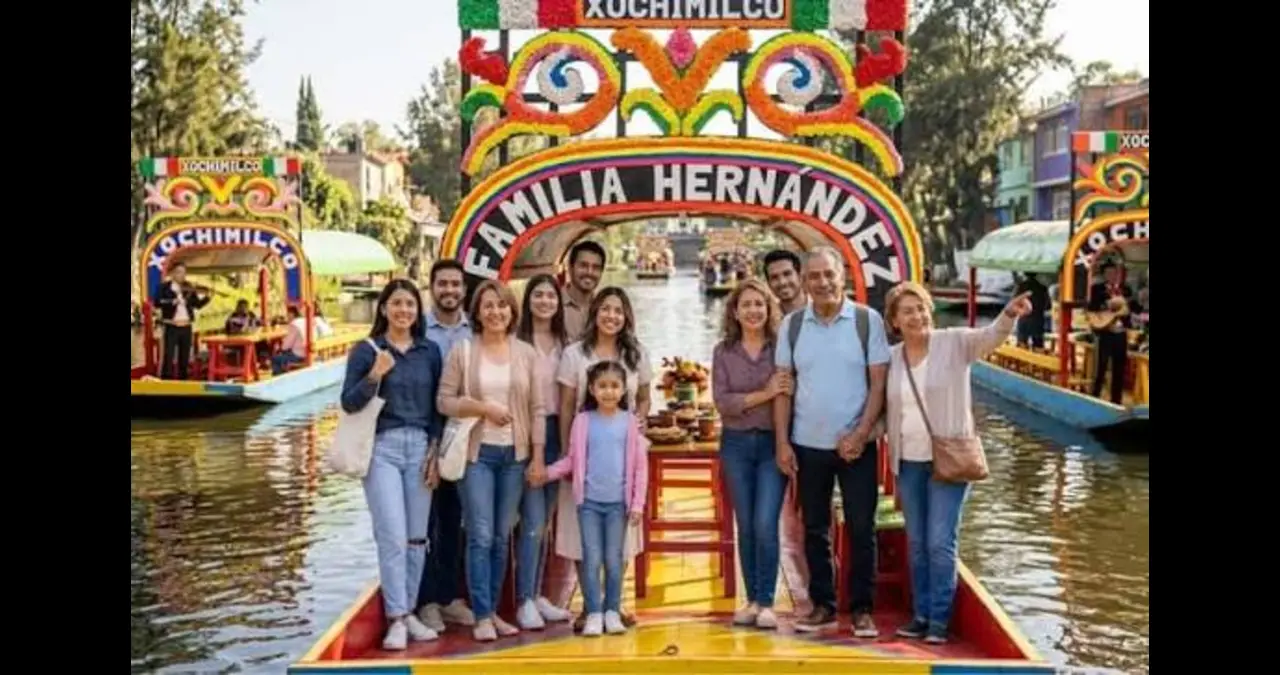
For visitors, traveling through the canals can be a relaxing experience. Traditional trajineras are often brightly decorated, and some tours include music and food. Yet beneath the colorful tourist experience is a much deeper story about water management and the survival of a historic landscape.
The canals also demonstrate why protecting Xochimilco cannot focus on one feature alone. Preserving the water requires attention to agriculture, pollution, urban development, biodiversity, and local communities at the same time.
What Are Chinampas?
One of the most remarkable features connected with Lake Xochimilco is the chinampa system. Chinampas are artificial agricultural plots created in shallow wetland environments. Although they are sometimes casually called “floating gardens,” the term can give the wrong impression because traditional chinampas are constructed agricultural areas rather than simple islands floating freely across the water.
The basic idea was highly practical. Farmers created productive plots by using organic material, sediment, and vegetation to build up land within the watery environment. Canals surrounded many of these agricultural areas, providing moisture and making transportation easier.
UNESCO describes chinampas as an exceptional agricultural system combining environmental conditions with human creativity. The organization also notes that the system has been highly productive and has survived for centuries despite major environmental and urban changes.
This makes the chinampas connected to Lake Xochimilco especially valuable from both a historical and environmental perspective. They show that agriculture does not always require people to completely transform an ecosystem into dry land. Instead, ancient farmers learned how to work with the landscape that already existed.
Lake Xochimilco and Traditional Agriculture
Agriculture remains an important part of the identity of Xochimilco. Chinampa farmers continue to cultivate plants in the wetland environment, preserving knowledge that has been passed through generations.
The Mexico City government notes that agricultural areas around the Xochimilco ecological landscape are used for vegetables, ornamental plants, and other crops. This creates a direct connection between the ancient landscape and contemporary food production.
What makes this particularly interesting is the contrast with the surrounding metropolis. Mexico City is one of the world’s largest urban areas, yet parts of Xochimilco still maintain agricultural landscapes where farming follows traditions that developed in the ancient lake environment.
For Lake Xochimilco, this agricultural connection is essential. Without the chinampas and the people who work them, the landscape would lose a major part of its cultural meaning. The canals would still exist, but the relationship between water and agriculture would be greatly weakened.
The Axolotl and Wildlife of Lake Xochimilco
Lake Xochimilco is also famous for its connection with the axolotl, an unusual amphibian that has become one of Mexico City’s best-known wildlife symbols. The species is particularly associated with the canals and wetlands of Xochimilco.
The Mexico City government identifies the axolotl as a focal point of conservation efforts in the region. The surrounding ecological park also provides habitat for birds, insects, rodents, reptiles, rabbits, and other wildlife, while the wetland landscape serves as an important location for migratory birds.
The axolotl’s importance goes beyond its unusual appearance. Its survival is closely tied to the health of the wetland environment. Protecting the species therefore means protecting water quality, habitat, vegetation, and the broader ecological system.
This makes Lake Xochimilco an excellent example of how cultural heritage and natural conservation can overlap. Saving an ancient landscape is not only about preserving old buildings or historical traditions. It can also mean protecting living species that depend on that landscape.
The Famous Trajineras of Lake Xochimilco
For many travelers, the most enjoyable way to experience Lake Xochimilco is by traveling through the canals on a trajinera. These traditional boats have become an iconic part of the area’s identity.
The boats are often decorated with colorful designs and names, creating a festive atmosphere on the waterways. Some routes are lively, especially during busy periods, while other areas can feel much quieter and more connected to the natural surroundings.
Official tourism information highlights traditional piers such as Nativitas, Cuemanco, and Fernando Celada as places where visitors can take canal tours. Travelers may encounter mariachi music, marimba performances, chinampas, greenhouses, and migratory birds along the waterways.
Still, the best way to appreciate a trajinera trip is to look beyond the entertainment. The boat ride follows waterways that are part of an ancient landscape. Every canal tells part of the story of how people adapted to the wetlands and continued using them through generations.
Lake Xochimilco as a UNESCO World Heritage Site
Lake Xochimilco is particularly significant because Xochimilco forms part of the Historic Centre of Mexico City and Xochimilco World Heritage property. UNESCO inscribed the property on the World Heritage List in the late twentieth century.
UNESCO considers the Xochimilco landscape important because it preserves elements of traditional pre-Hispanic land use. The organization specifically recognizes the combination of canals, artificial islands, chinampas, and the surviving lacustrine environment.
This recognition gives Lake Xochimilco international importance. It means the area is not valued simply because it is attractive or popular with visitors. Its significance comes from the historical, cultural, agricultural, and environmental information preserved within the landscape.
At the same time, World Heritage status does not automatically solve the problems facing the area. UNESCO has identified pressures including urban development, land-use changes, abandonment, contamination, and excessive groundwater extraction as threats to the traditional landscape and chinampa system.
Environmental Problems Facing Lake Xochimilco
The future of Lake Xochimilco depends heavily on environmental protection. Like many urban wetlands, Xochimilco faces pressure from development and changes in the surrounding environment.
Water quality is one of the central concerns. Pollution can affect aquatic organisms, agricultural production, and the overall ecological balance of the canals. Changes in water availability and groundwater extraction also place pressure on the traditional wetland system.
UNESCO has emphasized that the chinampa system is vulnerable to several pressures, including contamination, abandonment, development, changes in agricultural technology, and groundwater extraction.
These challenges are complicated because Xochimilco is not an isolated nature reserve. It exists within a huge metropolitan area. People live, work, farm, travel, and operate businesses around the waterways. Conservation therefore has to balance environmental needs with the everyday needs of local communities.
Why Conservation Matters
Protecting Lake Xochimilco is important because the area contains several layers of value at the same time. It is an ecological landscape, a cultural heritage site, an agricultural area, a tourism destination, and a living community.
If the canals become increasingly polluted, wildlife will suffer. If chinampas are abandoned, traditional agricultural knowledge may disappear. If urban development continues without careful planning, the landscape that makes Xochimilco unique could gradually become fragmented.
Conservation efforts therefore need to protect the entire system rather than focusing on one attraction. Water management, habitat restoration, sustainable agriculture, pollution control, and community participation all have a role.
The Mexico City government describes ecological restoration and conservation efforts in Xochimilco, including work focused on the axolotl and the broader relationship between people and the environment.
The Cultural Side of Lake Xochimilco
Lake Xochimilco is also deeply connected with local culture. The canals are not merely natural features. They are part of celebrations, family activities, tourism, agriculture, music, food, and community traditions.
The atmosphere can change depending on where you travel. Some areas are lively and filled with boats, while others offer a quieter view of the wetlands and agricultural landscape. This variety is one of the reasons Xochimilco continues to attract both local visitors and international travelers.
The cultural landscape is especially valuable because it shows that heritage does not always exist inside a museum. At Lake Xochimilco, history is visible in the canals, agricultural techniques, boats, plants, and daily activities.
That living quality makes the area different from an archaeological site that can only be observed from behind barriers. Xochimilco is still being used, which makes its preservation both exciting and challenging.
Visiting Lake Xochimilco Responsibly
Visitors can help support the future of Lake Xochimilco by treating the environment as carefully as they would treat any important heritage site. A boat ride should be more than an opportunity for photographs. It can also be a chance to understand why the canals and wetlands matter.
Avoiding litter, respecting wildlife, and following local rules are simple but meaningful steps. Visitors should also remember that chinampas are working agricultural areas and that many people depend on them for their livelihoods.
Exploring less crowded ecological areas can also provide a different perspective. Official tourism information highlights ecological experiences involving wetlands, chinampa farming, native wildlife, and guided observation.
A responsible visit can benefit both tourism and conservation. When travelers understand the importance of Lake Xochimilco, they are more likely to appreciate why protecting its waterways and agricultural traditions matters.
What Makes Lake Xochimilco Different From an Ordinary Lake?
Calling Lake Xochimilco simply a lake does not fully explain what makes it special. The modern landscape is a combination of waterways, wetlands, artificial agricultural plots, ecological areas, and urban surroundings.
Its most important feature may actually be the relationship among these elements. The canals support agriculture, agriculture helps maintain the cultural landscape, the wetlands provide habitat, and local communities keep traditional practices alive.
That interconnected character is why Lake Xochimilco is so valuable. It represents a system rather than a single attraction.
It also gives visitors a glimpse into a very different approach to urban life. Instead of completely separating the city from agriculture and wetlands, Xochimilco preserves places where these environments exist side by side.
The Future of Lake Xochimilco
The future of Lake Xochimilco will depend on how successfully conservation can work alongside the needs of local communities and the enormous city surrounding the wetlands.
UNESCO has repeatedly emphasized the importance of sustainable management, restoration, and coordinated conservation for the Xochimilco landscape. The organization notes that the chinampa system remains vulnerable and that continued conservation action is necessary to maintain its value.
There is reason for optimism because the area continues to receive attention from conservation programs, researchers, farmers, environmental groups, and government authorities. The axolotl has also become a powerful symbol for ecological awareness.
However, preservation cannot depend on publicity alone. The long-term survival of Lake Xochimilco requires healthy water, functioning wetlands, active agricultural traditions, responsible tourism, and protection from uncontrolled development.
Why Lake Xochimilco Still Matters Today
Lake Xochimilco matters because it tells a story that reaches far beyond Mexico City. It demonstrates how people can adapt to wetlands, develop productive agricultural systems, create transportation networks, and build communities around water.
It also shows what can happen when an ancient environment faces centuries of urban change. Much of the original lake system of the Valley of Mexico has disappeared, yet Xochimilco continues to preserve an important part of that history.
For travelers, Lake Xochimilco offers beautiful scenery, traditional boats, music, agriculture, and wildlife. For historians, it offers evidence of ancient land-use practices. For environmentalists, it provides an important wetland habitat. For local communities, it remains part of everyday life and cultural identity.
That combination is what makes Lake Xochimilco so remarkable.
Final Thoughts on Lake Xochimilco
Lake Xochimilco is much more than a scenic place to take a boat ride. It is a living landscape where ancient agricultural traditions, historic waterways, wildlife, tourism, and modern urban life meet.
The canals preserve memories of a much larger lake environment that once shaped the development of the Valley of Mexico. The chinampas demonstrate the ingenuity of traditional agriculture, while the axolotl represents the ecological importance of the remaining wetlands. UNESCO’s recognition further confirms that Xochimilco has exceptional cultural and historical value.
At the same time, Lake Xochimilco faces genuine environmental challenges. Pollution, development pressure, water management problems, and changes in traditional agriculture can all affect the future of the landscape. Protecting it requires long-term cooperation between residents, farmers, authorities, conservationists, researchers, and visitors.
Ultimately, Lake Xochimilco is valuable because it is still alive. Its history is not locked away in a museum. It continues through the canals, farms, boats, wildlife, and people who keep the landscape connected to its past. Preserving Lake Xochimilco means protecting not only a beautiful destination but also an extraordinary example of how culture and nature can exist together.
Conclusion
Lake Xochimilco is far more than a beautiful destination for a relaxing boat ride. It is a living part of Mexico City’s history, preserving ancient canals, traditional chinampa agriculture, colorful trajineras, local culture, and important wildlife. The area’s connection with the axolotl also highlights how closely its cultural identity is tied to its natural environment.
At the same time, Lake Xochimilco faces environmental challenges that make conservation especially important. Protecting its waterways, wetlands, wildlife, and agricultural traditions requires responsible tourism and continued efforts from local communities and conservation organizations. For anyone interested in history, nature, or Mexican culture, Lake Xochimilco offers a remarkable opportunity to see how an ancient water-based landscape continues to survive within a modern city.
FAQs About Lake Xochimilco
What is Lake Xochimilco famous for?
Lake Xochimilco is famous for its traditional canals, colorful trajineras, chinampa agriculture, wetlands, cultural traditions, and connection with the axolotl. The area is also internationally recognized as part of the Historic Centre of Mexico City and Xochimilco World Heritage property.
Can visitors explore Lake Xochimilco by boat?
Yes. Visitors can explore the canal network on traditional trajineras. Popular areas include Nativitas, Cuemanco, and Fernando Celada, where boat tours provide opportunities to experience the waterways and surrounding landscape.
Are chinampas still used today?
Yes. Traditional chinampa agriculture continues in Xochimilco. Local farmers grow vegetables and ornamental plants while maintaining agricultural practices associated with the historic wetland landscape.
Why is the axolotl important to Lake Xochimilco?
The axolotl is strongly associated with the canals and wetlands of Xochimilco and has become a major focus of local conservation efforts. Protecting its habitat also supports the wider ecological health of the wetland environment.
Why should Lake Xochimilco be protected?
Lake Xochimilco should be protected because it combines cultural heritage, traditional agriculture, biodiversity, and an important surviving part of the historic lake landscape of the Valley of Mexico. Its canals and chinampas preserve knowledge and environmental features that cannot easily be replaced.
YOU MAY READ ALSO